Lately I've been privileged to be in the company of some fine quality writers, a few of whom I'll be happy to showcase on weekends. Enjoy. Dream Valley Robert Thomas
A land held in perpetual summer, the Dream Valley is as lush and beautiful as when the world was born. The air is as sweet as nectar and the water so clear it mirrors the clouds from the sky itself. Nothing ever dies there except for the very old. Never has there been a care until an unexpected invasion from a land long thought dead envelops the Chrystum and two life-long friends are thrown into the ravages of war. Creatures they once fought only in their dreams of glory and grandeur have come to life to rape and pillage their peaceful world. Their only hope now resides in a stranger from outside their realm and the aging wisdom of one of their own as an epic journey of magic and war now consumes them to the very end. Biography
| I welcome all to my world of writing and authorship. I have been writing for many years and have published several fantasy works through Amazon and Smashwords. I have tried to give the tale a feeling of place and circumstances that, although fiction, all readers who enjoy fantasy can relate to.
I have recently released The Crystal Point Legacy, a series of three books: The Dream Valley, Silent Watcher and Death of Kings. I am currently writing the first of another series titled The Last Elf.
I also welcome all to follow along with my blog, Ramblings of a 50 year old man; http://rambling50.blogspot.com. It is just my thoughts on life as I journey along to the fateful end. I have also started a new blog, http://sheimas.blogspot.com which is a first-person prequel to The Crystal Point Legacy.
I am currently working on another epic fantasy series titled, The Last Elf. The first work has a working title of Sands of Nevertime. I hope to have it released late in 2013. | |
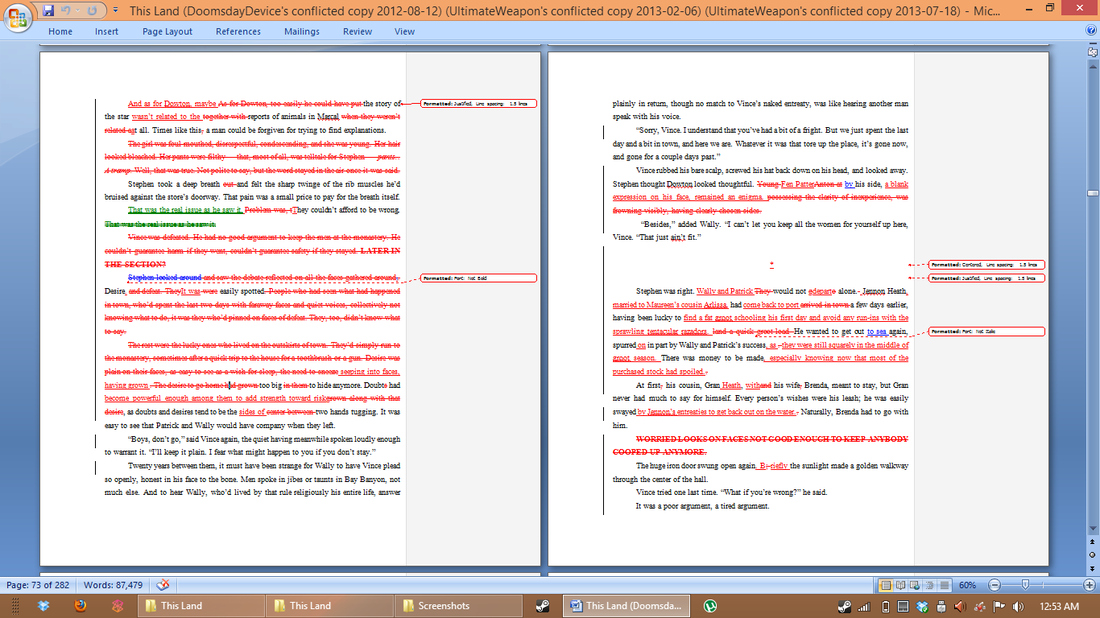
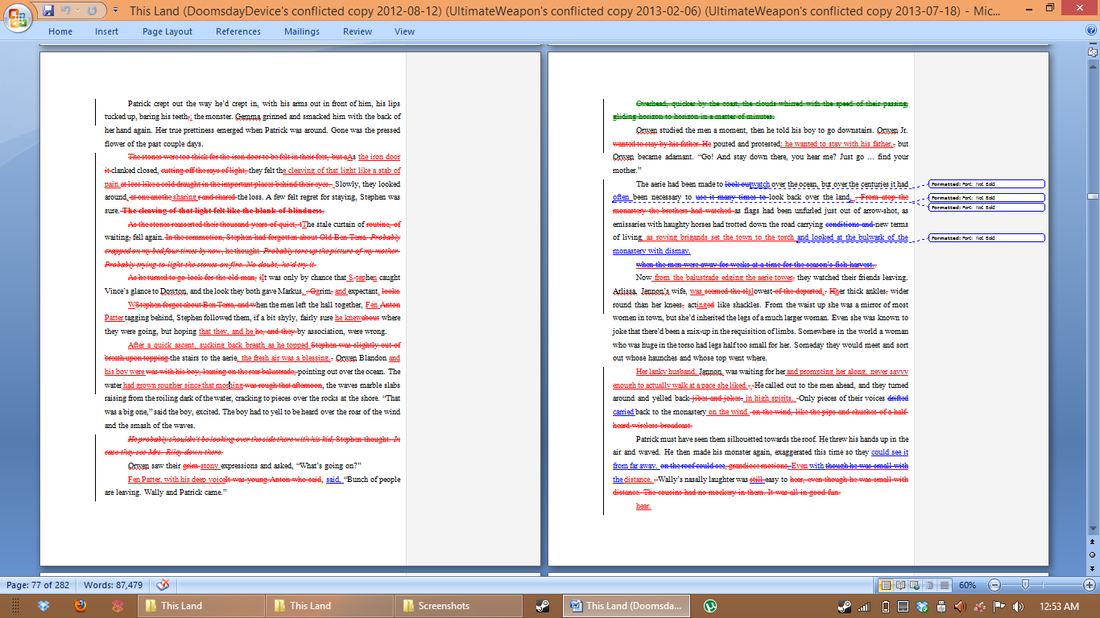
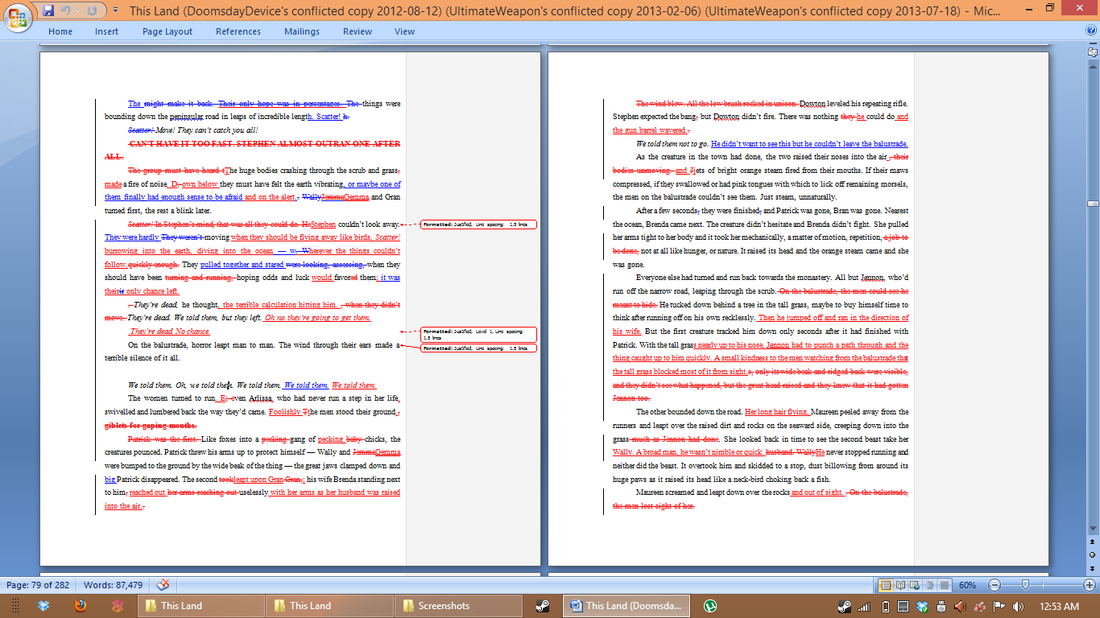
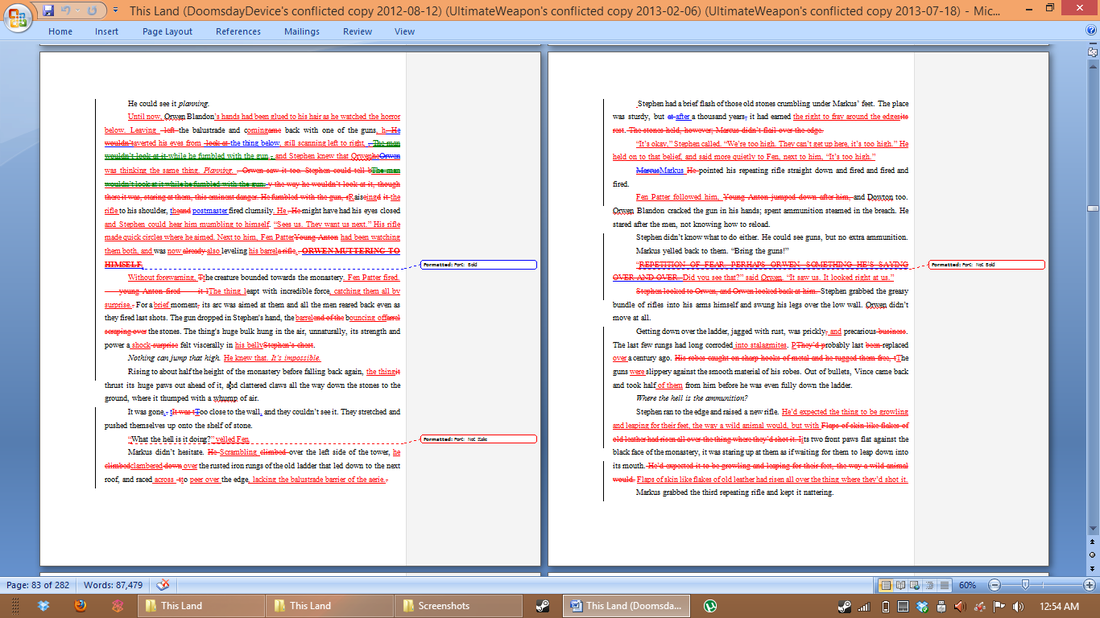
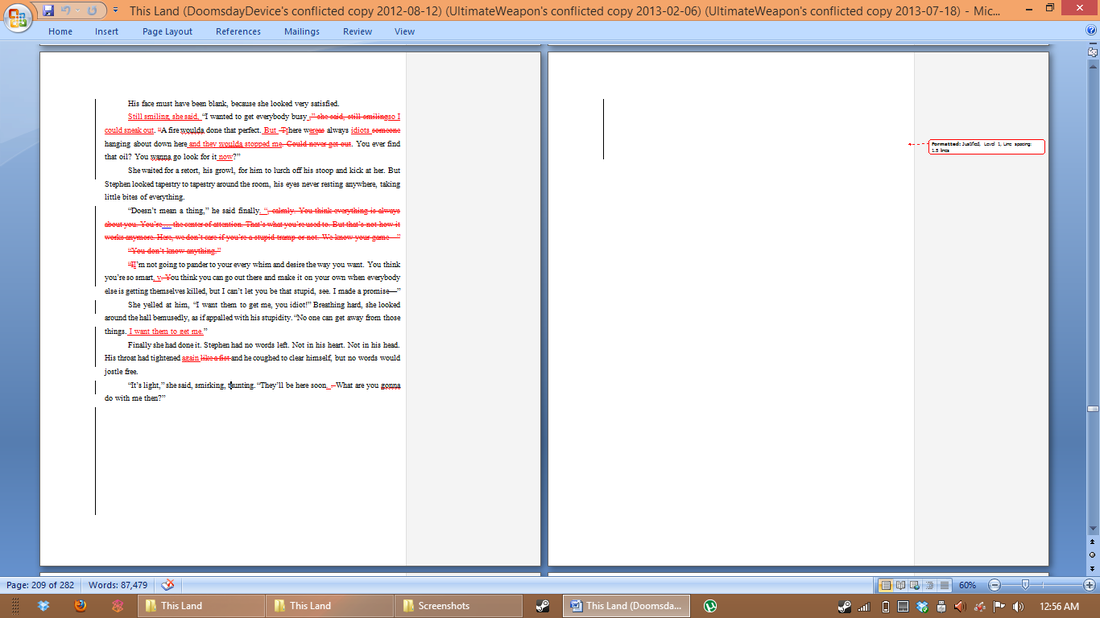
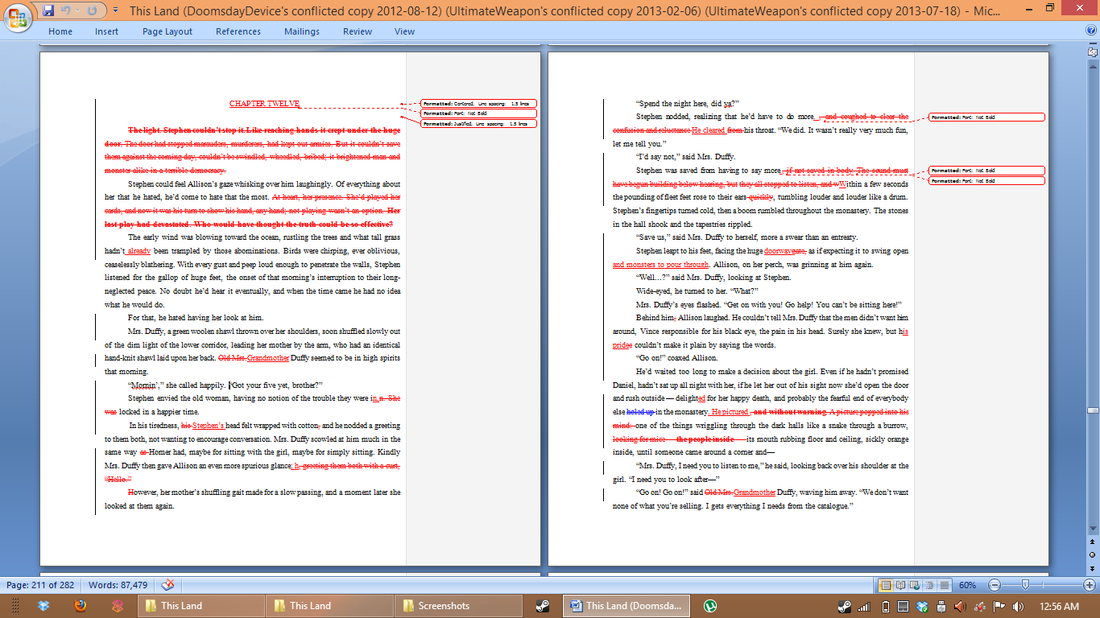
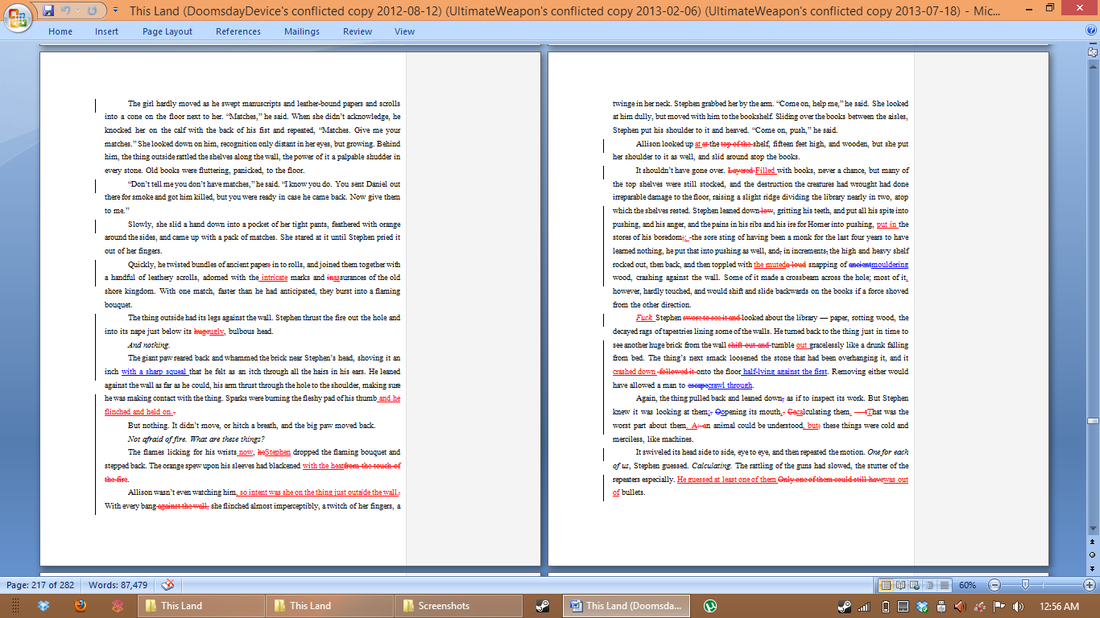
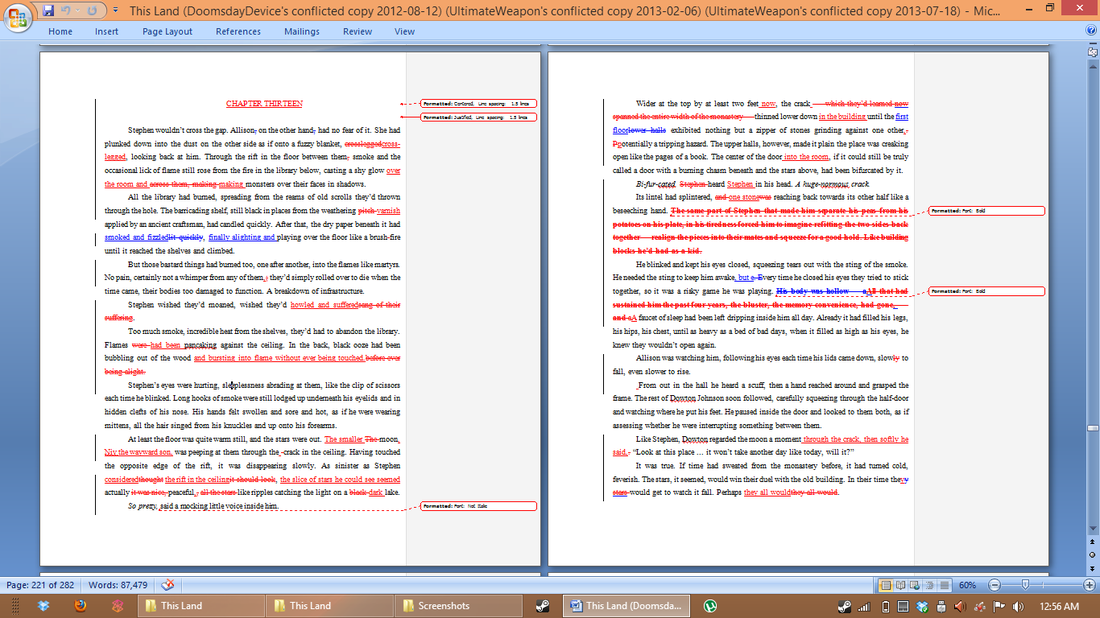
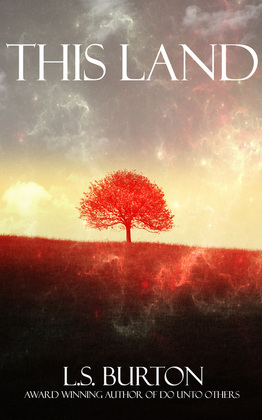
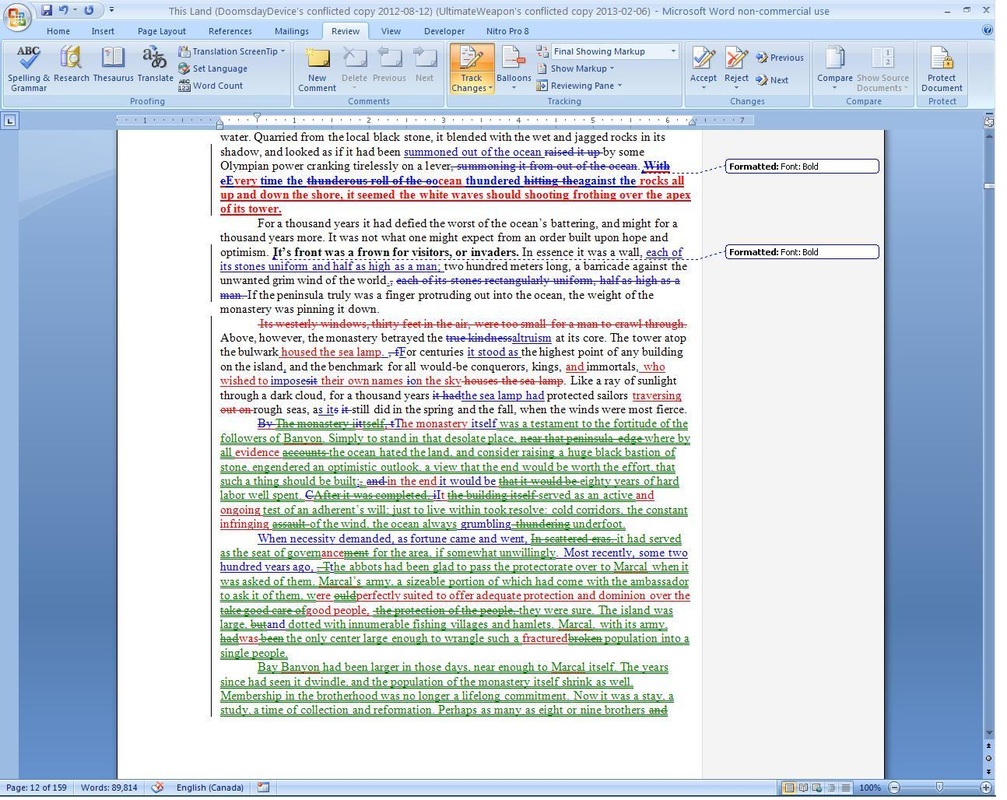
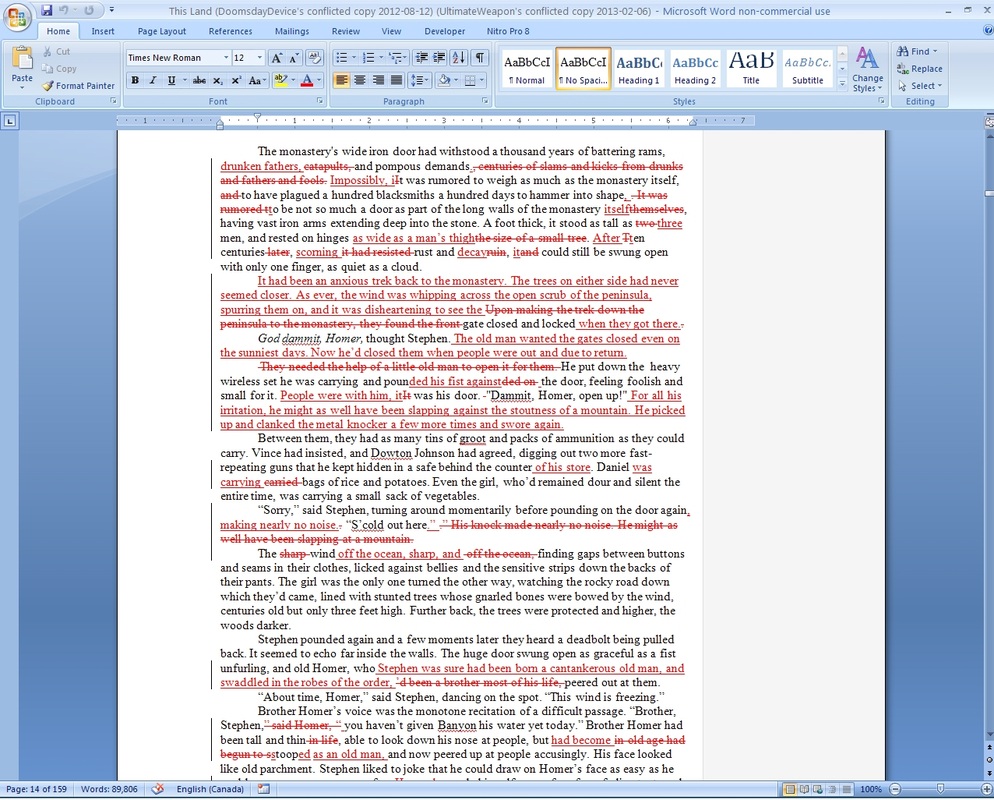
I'm not sure why it's taken me so long to get around to editing this book. Okay, that's not true. I wrote ANOTHER book in the meantime. But now I've cut the crust of unfamiliarity that had formed over the piece in the intervening months I'm really enjoying playing with this book again. April 20th | Another new book. My hands are sticky from peeling an orange badly.
I’m sitting here in the dining car of my treeplanting company.
I find it very interesting that I’ve lost the touch for writing well, both physically and mentally. My script is childlike and the going is slow. My walkman is on, some tunes Steve volunteered. Already my wrist is starting to hurt, but my writing is improving.
I expect to be a very different person when I leave here. Going home should be fun, going home should be a shock, going home will be good. I do miss home, but here is interesting. If nothing else, that: interesting.
Random thought process. All too typical of a first page
This book feels as if it’s being written to myself.
We get up at 6 in the morning, every morning, but Saturday. Some days I may actually get a job with weekends off and maybe even a pleasant nine to five. No more 6 to 6 or whatever. Naw, that’ll never happen.
Dammit, watching Air Force One in the camp trailer and I can’t concentrate. Be back later.
| | You’ve found this cereal box with my face on it. You’ve cut the cardboard mask off the back and slipped it over your eyes. Now you’re looking through those gray holes with me, seeing what I’m seeing, and you don’t know anybody.
The surprising thing is, neither do I.
Sadly this is a tale in which there are no major characters, save one: your humble narrator. I wish I could paint more salacious grins like that of Darya, my friend from university — hers left a Cheshire tooth impression on my heart — wish I could give friends with quirks and beards, this funny thing that they did, that they said, this clever turn of phrase one evening while we laughed. But there’s no such thing. Bit players. Each to his own stage. All the lines that mattered were delivered as a whisper to the dirt, closed over, and stomped on.
All the action happened behind the curtains? Say it ain’t so, Mr. Narrator? Such a dull play.
Machines of the company that stomped and scratched like chickens in the dirt. A few of us tried to draw near to one another. I may have, but I made no attempts on the walls of our solitudes that didn’t end embarrassingly.
Not to worry, I’ll get to that soon.
All minor characters. Myself, one of them, I’m afraid. A multitude of stories, a major role in only one, that’s all I had. Only my own. That’s why we were all so estranged. We were each our own story, unwilling to shrink to fit into another. Shit on a plot, eh, that sort of separation. How inconsiderate of us.
I’ll try to remember at least one day’s work as a declaration of conquest against the piece next to mine, a tale of plunder, of pugilism, pirates of the creamy seas. Beats the pants off of the real ding-dong job we were actually doing.
But if I remember wisely I can’t do that. The lines remained firm between us. Hard to share our tragic flaws, our impractical protagonism. We stayed within our own stories, telling them our own ways.
Were we close to one another? No. But with retrospect, more alike than I thought.
look extra hard Our first day I was informed that there were fifty-seven people in the company, workers, not including management, all of us young, most of us students, having heard there was good money to be had in the job if we worked hard, if we could endure. And that was fine, par for the plan. But nothing else was what I expected. My friends who had planted had come back with tales of strange characters straight out of Jack Kerouac and Deliverance, an unusual mix of dread-headed hippies that stank of rank patchouli and who time-warped to work every day from their tents in 1967; and then, conversely, bucktoothed back-woodsmen who winked at them out of their one good eye and had names like Chomper and Bud. So I was ready for anything, and kept an eager eye out, waiting for these sideshow creatures to show. To my chagrin, these guys weren’t readily obvious. In fact, they existed completely in my own sordid imagination. The reality was far closer to the usual luster of things: regular people trying to make sense of their lives and sometimes doing it together. No everyday monsters, we were a rabble of poor and hungry machines, doe-eyed and dimple-cheeked, ready to be put through our paces.
Parenthetically, looking back now, it’s possible I fell victim to the phenomena I usually wax philosophic about when I’m feeling in the mood to repeat myself. Mind you, it’s possible that I’ve heard someone joke about it so long ago that I’ve since mistakenly adopted it as my own, forgetting its origin....
It’s this: there’s always one weirdo on the bus.
Somewhere in the universe, wherever the fine print has been jotted down haphazardly, there’s a little clause that states that every bus trip over two hours needs a weirdo. It’s a great, mostly undiscovered, universal constant. When you’re taking a long trip someplace, and everything is cool and quiet, stand up and look around. Try to spot that weirdo, he’s always there. This is verifiably true.
It is possible, however, that the phenomena is self-fulfilling, the bus itself generating a weirdo of its own from the stock of people it has onboard.
But here’s the rub: if you don’t spot him, it’s you, you’re the weirdo, if for no other reason your fellow passengers are trying to catch a little bit of sleep and keep whatever secret foibles they fight in check ... and you’re standing on the bus searching for weirdoes. It’s quite a rub, and you don’t want to win that title if you can avoid it. So keep that eye peeled to spot him. Look extra hard. Lean over seats and look up noses if you have to.
Those first days in my first camp, sitting scrunched up in a small smelly trailer that would be our mess for the next eight weeks, I looked around at all the shy and eager and shiny cheeks, bandanas and school jerseys, the rain outside pattering dangerously, and I didn’t see the alien creatures of my imagination, and well, maybe that was why. It’s very possible I self-generated myself into that guy who was looking around. I’d come seeking bizarre and circumspect creatures who would alter my outlook on life for good, but if I wanted to get what I came for, I would have to take a really good look at myself.
Hugh, the supervisor, having stepped out of an old western movie years ago to find gunslinger and raw-boned, rugged, cowboy-type no longer viable career options, had started a tree planting company. I’d never known what Kerouac was talking about when he would describe somebody as raw-boned until I saw our supervisor. There he was: tall, blonde, curly, the Marlboro Man’s Norwegian cousin, raw as bones. Any woman who didn’t immaculately conceive at the first sight of him promptly spontaneously combusted.
Some people have a sort of planetary charisma about them, busy people especially, a self-contained aura made of confidence, pheromones, good genes, and usually a total commitment to ignore the rest of the world. And like planets, you either get out of their way or you get sucked in; attracted or repelled, no other options. Whenever we had a beef, or simply news, we’d go into Hugh’s office and the intensity of his stare would shine like headlights. Most of the time he wouldn’t deign to look at you, but when he did, there you were. Attract or repel. Most of the time: repel, repulser beams set to a gentle maximum. Management wanted little to do with us unproven rubes. We were the meat levers attached to the side opposite the business end of the shovels, little else.
That first day Hugh gave us our orientation: expectations, conduct, tax forms, and I looked around the room at my fifty-seven new companions. Which one is Chomper and which one was Bud? But mostly I saw a swirling of features, faces like brief dashes of sunlight, hands like grasping wisps of smoke, voices like the creaking of trees in the wind.
Allow me to explain.
Camp life is transient. You meet a hundred people each season, take comfort from sharing the same aims in belonging, breeze through the same gains with them. Friendships form, relationships form, yet the majority are partnerships of poor paste and separation happens again with a warm squish not long after, sad for a short sweet burst, farewell, goodbye, so long, I swear I’ll write, but with only the tackiest of tendrils keeping you together.
Faces fade, blend. Simply one of the muttered facets of being human.
After a few years at my career company, I’d walk down the road at the end of the day with other veterans of three or four seasons and play ‘Who do I remember that you don’t?’ It was a funny game in that you had to influence the other person’s reality in order to convince them that you’d won — No, you really did know Adam. We lived with him for two months. Winning didn’t really come with the sweet sting of victory, and the longer you played, the worse you became at it.
To re-inhabit my body in that old converted trailer, I see a condensed overlay of eight weeks, one season, laid on top of one another, the pencil lines of the wood panel walls and the long lunch tables thickened because they occupied the same space every day. Arrange the weeks like a flip book and let time run its thumb over the edge. Flip. Flip. A slip of a smirk from the second shift, a quip heard in the fifth week; each has its echo in every other moment remembered. Flip. Flip. I smell the dust burning on the baseboard heaters in the morning, the polluting musk of all our wet clothes mouldering by the propane heater. Flip. Flip. I hear the clomp of soggy boots over the reinforced boards; I remember the daily trepidation in squeezing myself down between two strangers to tuck in my elbows and slurp my soup.
What I don’t see are fifty-seven true faces, only tangential pieces of them, images caught as the pages flash by. This applies especially for that first day as a lot of those faces weren’t around much longer. Many remain wholly fogged, many are waterlogged cameos. I remember a smile of one of the native crew members, wide cheeks and teeth back to his ears, but not his name nor any conversations; I remember the gaiters of one of the highballers, my first time seeing them; and the terrible allergic reaction one girl had to mosquito bites, eruptions over her pretty cheeks. There’s delight in pushing against bedtime to continue conversations, a deep satisfaction for steaming dinners, all the cold bones in bodies around me singing for hot fresh bread; heartache for having to breathe the wet air of morning again, eyelids in gentle protest. Laid over it all a condensed relief of dozens of evenings of allowing myself to do nothing. Important pieces, all these, but these are not people.
In the trailer that first day, sitting next to me on one side was Faisal from Ottawa; we’d be friends through the contract. From him, simply by watching, I learned a lot about how it was okay to be a kind human. These days I consider that important. On the other side I remember only a haze of red flannel, a person who never lasted and didn’t leave me with any impression other than that red shirt.
Every person met in life leaves a little bit of themselves with us. Sometimes it’s a nice jacket on the subway, a rueful look on the street. Usually it’s so small as to be unrecognizable, but it’s these pieces that we snip from the world around us that we use to construct ourselves day by day. Like a study in biology, look back two years and your cells have recreated much of you a tiny twist at a time. Similarly, its tongue stuck out stubbornly, your soul has followed apace, incrementally smushing together all the pieces that you’ve garnered from the world, trying to make sense of all the oblong bits. Slowly, you rebuild yourself using the tender timbers of experience while, behind you, time begins to poke holes through the chaff of the remaining raw materials.
As I re-inhabit the old converted trailer, that’s what I see, what remains, people leaning against the tables quietly, others filling out forms and tapping their feet, the room growing warmer with all the musty breath being blown inside it, but the people themselves are mostly blurry faces, figments of fog, amalgamations of unfinished tales, people I knew for a brief time but who made little impression on me other than a few shared quips, the evening hungers, the morning dreads, the pains of endurance, a few laughs on the bus. After a few years, unimportant details like faces have faded. All that remains are the pieces I’ve taken from them in recreating myself. never did install that fourth wall
Nor can there be any sort of meal of real meaning, stepping away from the story with a full belly. Only narrative snacks. If there were any sort of sustenance to be taken from this it was for me, and I was filled up with it like a bloated snake in the days and years following. At the time it was too much to ingest. I was engorged by the changing tastes of the days. And I was desperate for change. Why, I don’t know. I knew only that I relished it, and felt it growing apace within me. But to be able to tell that story with any sort of continuity I would have had to yell at the time, “I am in the glorious now!” to everybody within earshot, a lucky few, and would have needed to have been understood — osmotically, no other way for anybody who heard, read through the know of their own ablutions to the dirt. Some kind of crucible, sure. But I can’t hold up a gold nugget I’ve gleaned from my bowl and spread it flat across a piece of paper to be admired. I can read a list of the ingredients and stir the mixture well, but not much else for another body. Maybe that’s why Salinger spent fifty years in solitude. A nice compacted plot, continuity through the days, like A B C, every inch of Holden on display, the other characters with the right rough edges showing through the paper, and then as he walked his poppet up the steps of his old elementary school to see his sister, he realized that it’s not possible to convey the sort of cellular change to a soul that he sought. Not to another person, through words, through paper. Maybe through a strike of lightning, the pang of a glance, a face in the clouds. But not paper. A word then jumped from his typewriter. Holden, beholden to the thoughts of his creator, saw it on the wall, could rub it away once, but couldn’t rub it away forever. Kerouac, too, for all his pretty words: high school boys in their letterman jackets below his window, misunderstanding the point of his story, which was only pretty words. Huck Finn retired from rafts and painted fences, and uncompleted Holden probably joined him, painting over the words he saw, waiting for the real message that never came, a boy forever.
Lately I've been privileged to be in the company of some fine quality writers, a few of whom I'll be happy to showcase on weekends. Enjoy. Allison's Defeat JRC Salter
Allison is an ordinary modern day girl who hasn't thought much about the nature of the universe, but when asked, she says she doesn't believe in a supreme being. That is until one day when a new school friend tells her she is to be a powerful warrior for God. She refuses to believe it despite her recurring psychic ability and apparent immortality. She intends to get on with her life, and to some extent succeeds, until a mysterious figure from her past forces her to face her destiny.
This is the first book in The Calnis Chronicles series which continues with the Chronicles of the Tarimain, a monthly series of novelettes. Biography
| J R C Salter was born in Devon in the early eighties. Salter trained as a chef and practiced for ten years before quitting to pursue a writing career, having always loved reading and making stories. Salter wanted to write an epic tale encompassing the adventures of different characters surrounding a mysterious artifact. Main inspirations included The Lord of the Rings, the Silmarillion, Buffy the Vampire Slayer and Highlander. | |
Lately, I've been reading a great book called Swerve: How the World Became Modern by Stephen Greenblatt, which, in part, discusses how books were preserved down through the ages after the fall of the Roman Empire by monks right across western Europe. During the Renaissance, due to "light-fingered Italian Humanists," ancient tomes would often go missing. Books were then on occasion 'guarded' with a curse in the preface.I'm launching a book shortly, and I thought this would be an absolutely fabulous insert for the beginning. | For him that stealeth, or borroweth and returneth not, this book from its owner ... let it change into a serpent in his hand and rend him. Let him be struck with palsy, and all his members blasted. Let him languish in pain crying aloud for mercy, and let there be no surcease to his agony till he sing in dissolution. Let bookworms gnaw his entrails in token of the Worm that dieth not, and when at last he goeth to his final punishment, let the flames of Hell consume him forever.
| | It also probably wouldn't be a bad idea to tack the same sorta greeting over my own bookshelf.
Lately I've been privileged to be in the company of some fine quality writers, a few of whom I'll be happy to showcase on weekends. Enjoy.
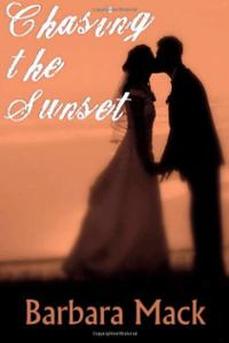
As a girl, Maggie had been happy, mischievous, and coddled by loving parents. Now her parents are gone, and she's running from an abusive marriage. She has no choice but to take refuge in the wilds of Missouri. When her Uncle Ned gets her a job as a live-in housekeeper to the intriguing Nick Revelle, Maggie feels an immediate attraction - mixed with fear - for her employer. Nick has been hardened by a past marriage, and Maggie's afraid her hidden secrets will make him hate her... “ I definitely recommend this book to anyone who loves historical romances! ” spunkypumpkin | 2 reviewers made a similar statement
Biography
| Barbara Mack has been fascinated by words and writing since early childhood. The first story she put into print format was about the birds who came to nest in the gardening shed; it reviewed well with critics (the neighbors, her mother and father, grandparents, etc.) She then had a poem - Love Never Dies - published in an international magazine at age 11, and she's never looked back.
She currently has several historical romance novels available and when she's not writing furiously, you can find her in the kitchen. Her cookbook Easy, Fabulous Bread Making: A collection of quick, no-knead bread recipes is consistently in the top 50 Amazon books on bread making. The well-reviewed Chasing the Sunset spent 14 weeks in the top 5 historical romances from Amazon. | |
Lately I've been privileged to be in the company of some fine quality writers, a few of whom I'll be happy to showcase on weekends. Enjoy. Sherdan's Prophecy Jess Mountifield
Sherdan has spent many years planning for the future. Now he's in control and he is expected to forge a fresh new start for the people in his program, people he has shaped and can’t abandon, but Britain's PM has other ideas and Sherdan must face the full might of the UK. On top of all this he has to face the one thing he never expected to feel; love.
Anya is on a mission from God to find out why she has been sent to the heart of Bristol, and what she can do to stop the world being plunged into war. When she finds herself forced to pick a side and join the fight, only her faith in God can see her through.
Sherdan's Prophecy is a tale of high stakes and political intrigue. A science fiction novel where faith and technology come together to take the human race another step closer to the final showdown. Where a few select people make decisions on behalf of many. A gritty account of power that shows both the best and the worst of humanity. The end of this book, which is the first part of the Sherdan series, left me in need of the sequel.
| Jess was born in the quaint village of Woodbridge in the UK, has spent some of her childhood in the States and now resides in the beautiful Roman city of Bath. She lives with her husband Phil and her very dapsy cat, Pleaides. Jess can often be found either in a cafe, grinning behind a large mug of hot chocolate, at her desk, getting annoyed with her cat for sitting on her keyboard, or on her comfy corner sofa with friends, enjoying a vast array of films. | |
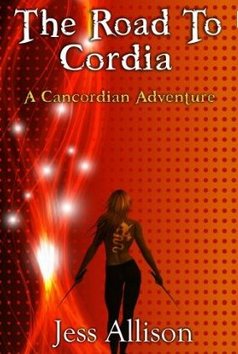
Lately I've been privileged to be in the company of some fine quality writers, a few of whom I'll be happy to showcase on weekends. Enjoy. The Road to Cordia Jess Allison
In the country of Cancordia, on the planet D'Az, set on the edge of the sea, is an isolated Fisherfolk village. In this village people are dying who could have been saved. Ja'Nil (very much against her will) is sent to the Royal Court in the city of Cordia to find a healer. At one time the country of Cancordia was known for its safety, but now you take your life in your hands when they travel the roads. There are slavers, tricksters, dragons, and werewolves, powerful warlords, and ladies with mysterious and terrible gifts. One of the people Ja'Nil meets along the way is a handsome young man named Ee'Rick. They decide to travel together. Only much later does she discover Ee'Rick's secret. At the Palace, the Queen is having troubles of her own. Before Ja'Nil and Ee'Rick reach the city, traitors put their plan into action. Suddenly the two travelers find themselves caught up in the middle of a deadly political coup. Instead of finally being safe, the most dangerous part of their adventure has just begun. But Ja'Nil is developing a little magic of her own, and Ee'Rick is an incredibly efficient warrior. Even so, Ja'Nil's journey to Cordia is turning into an experience she may not survive.
The Road To Cordia is the first in a series of Cancordian Fantasy Adventures. "... the author's writing was so good that it drew me in and I found myself willing to continue with the story and starting to love these beings especially Ja'Nil and Ee'Rick. Eventually I was hooked and could not put down the book until I finished the story. If you love fantasy or even if you are new to the genre like me, this book will open your eyes to another world. Love it. I am waiting for the sequel."
Biography
| Jess Allison is a red-headed adventuress who at 14 ran away from home to work in a circus. She did everything from picking up elephant poop to helping set up joints (booths). It was a whole new world. Now she writes about new worlds and fascinating alien people who sometimes can be quite human. | |
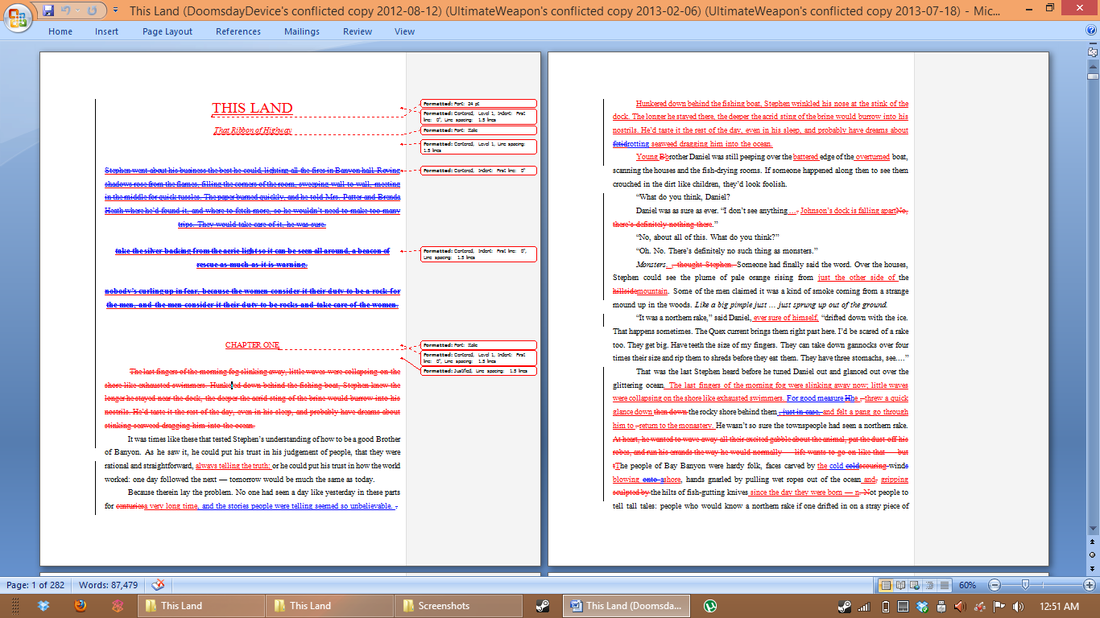
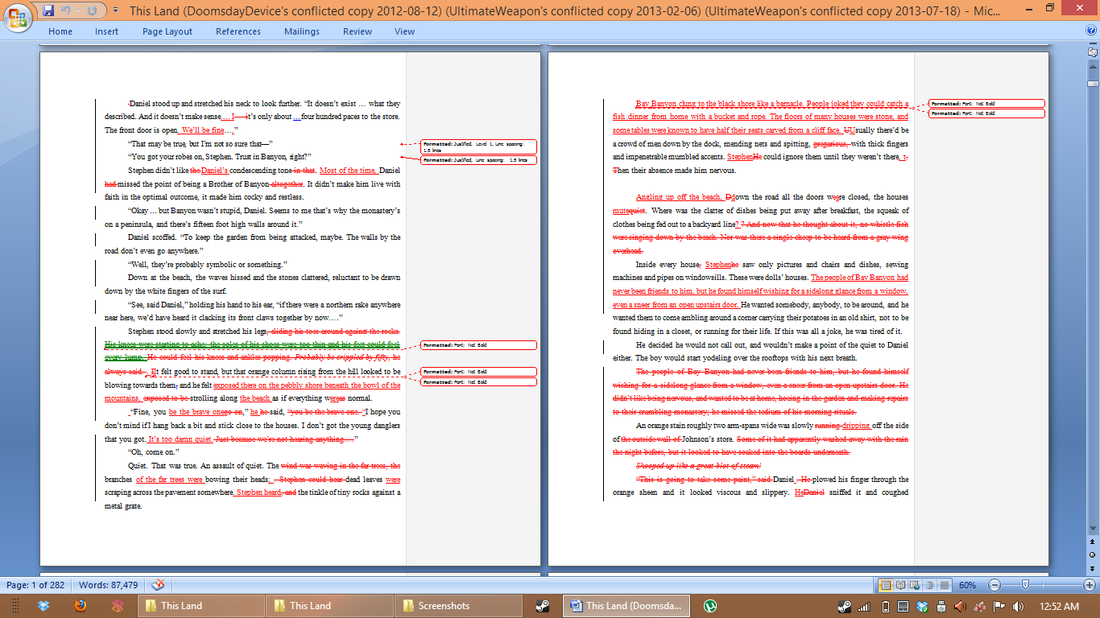
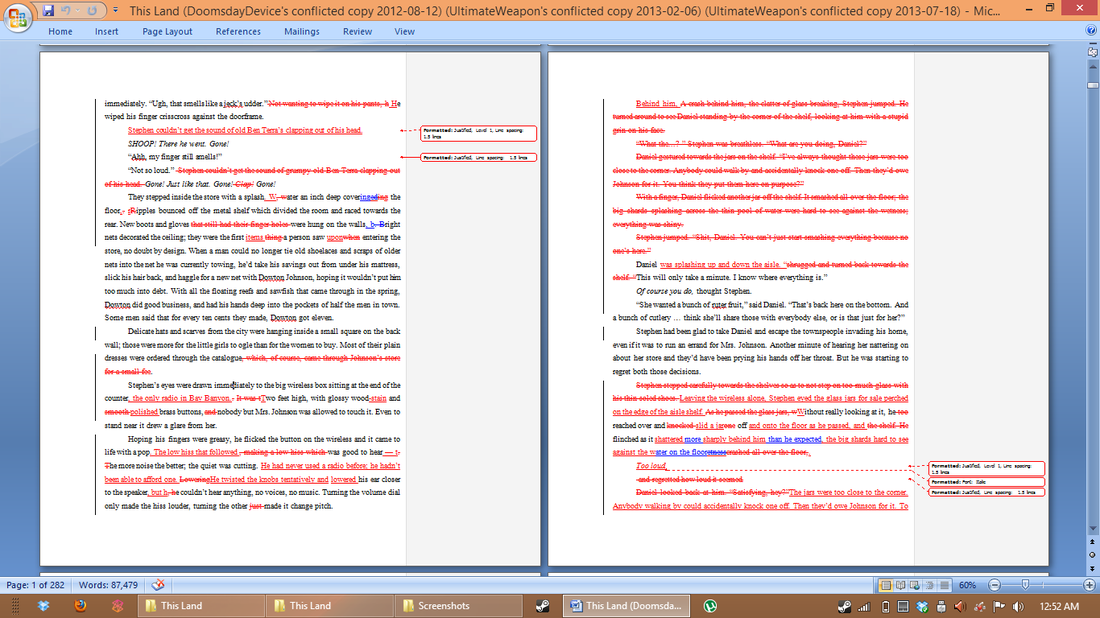
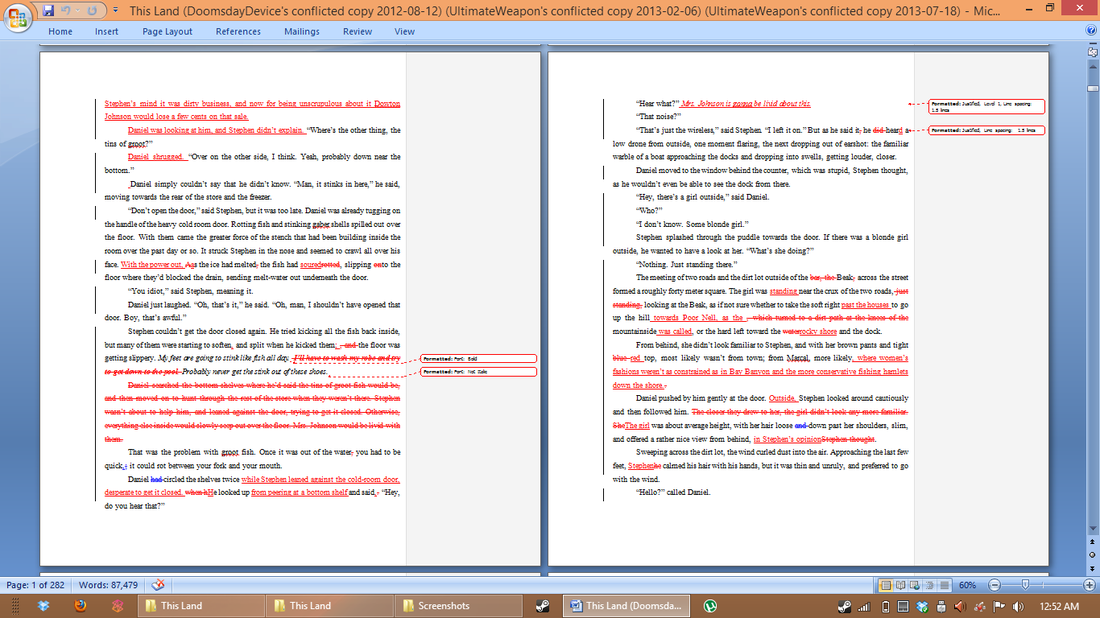
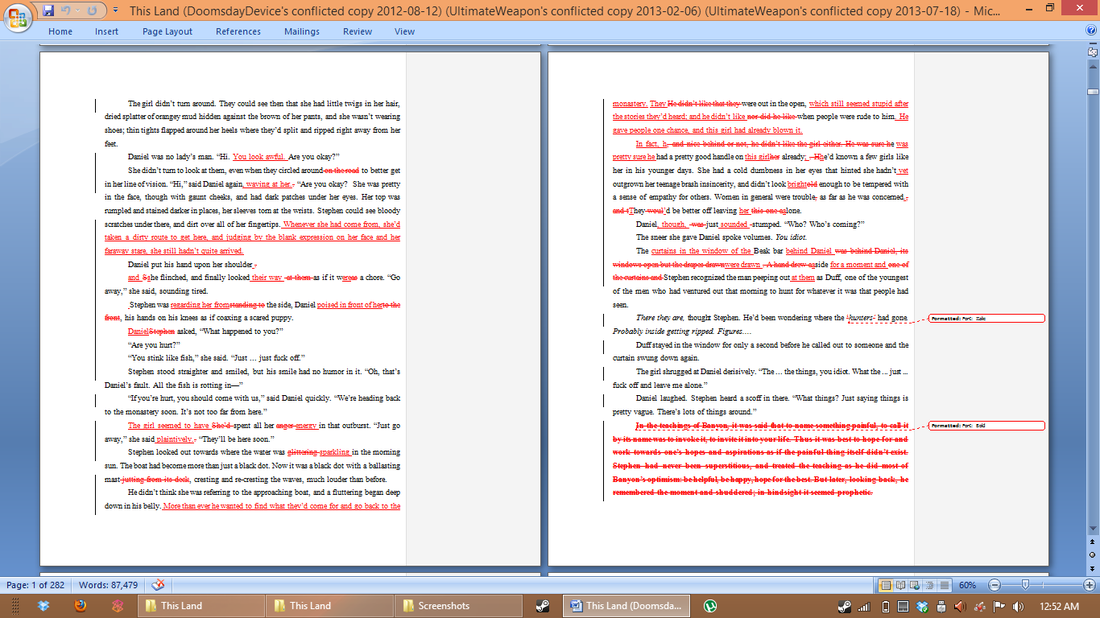
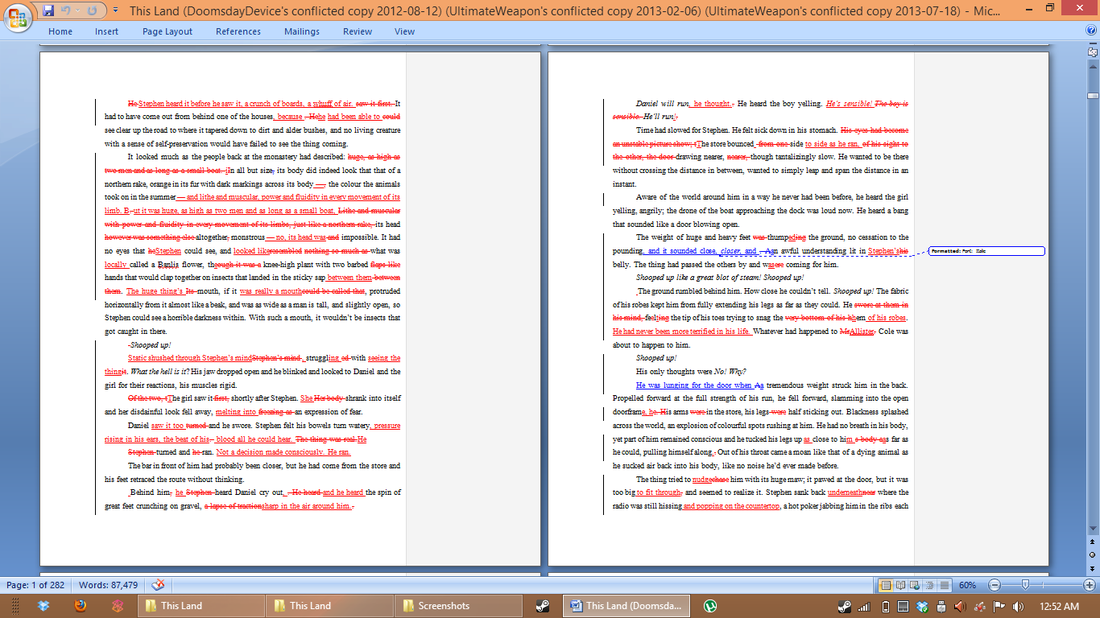
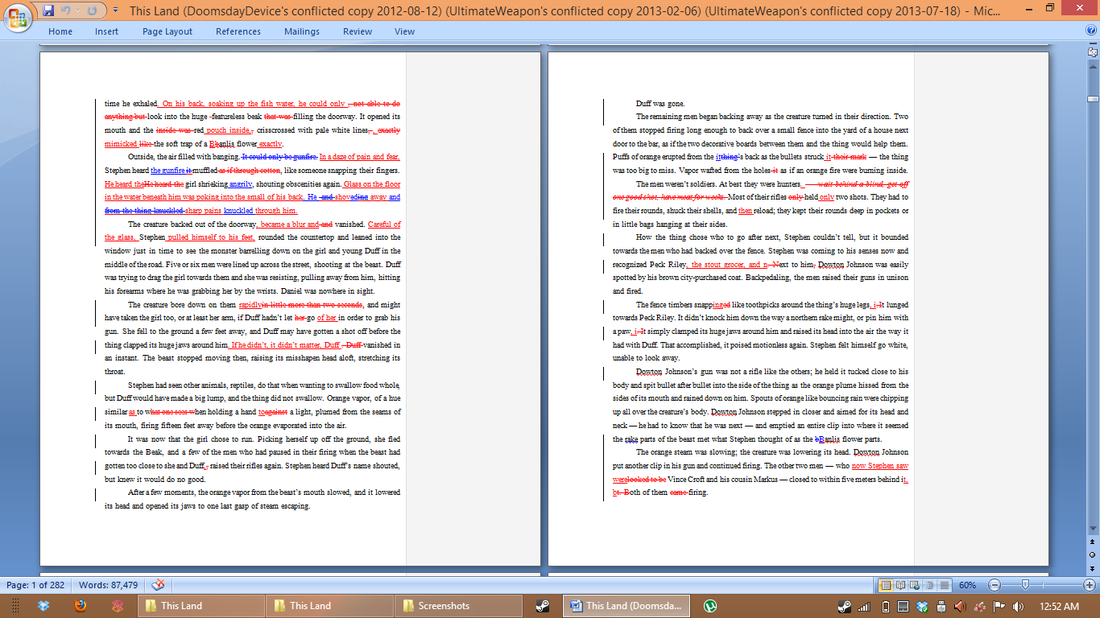
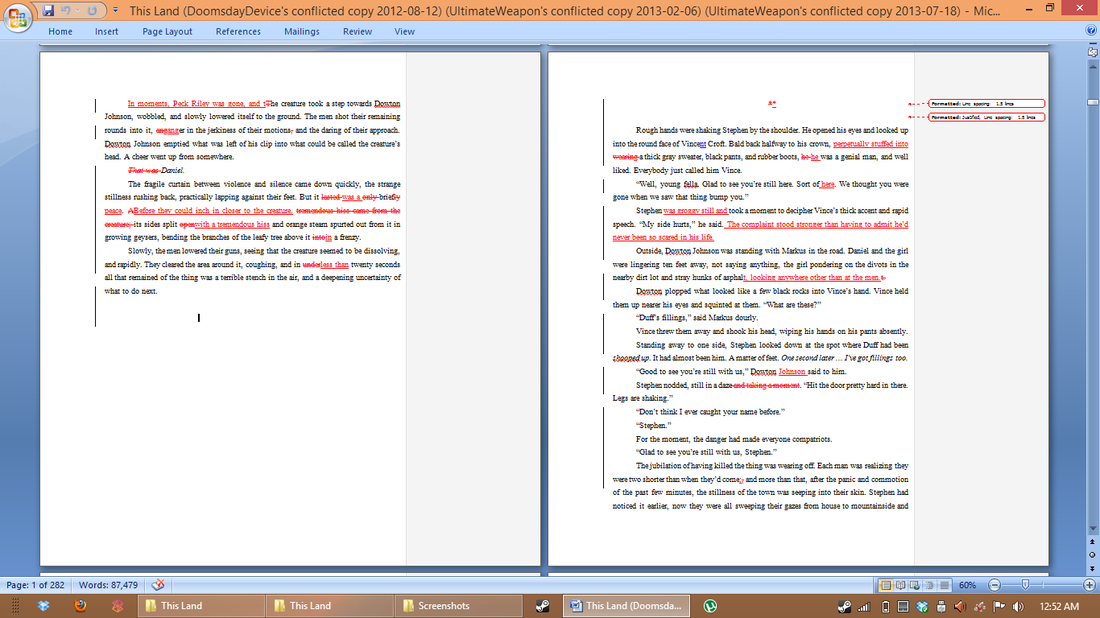
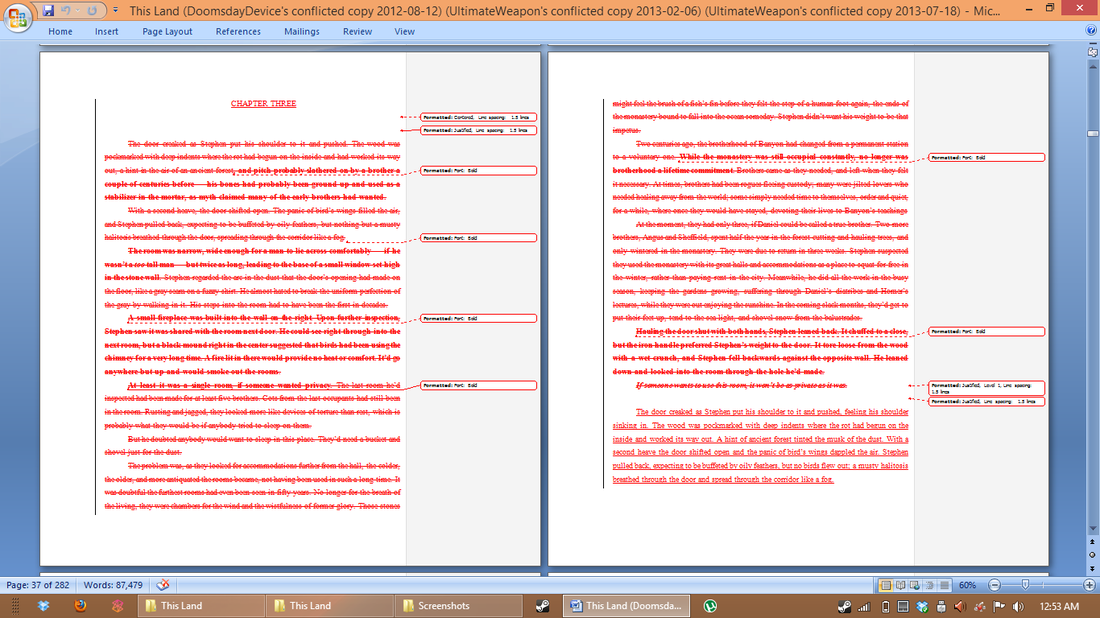
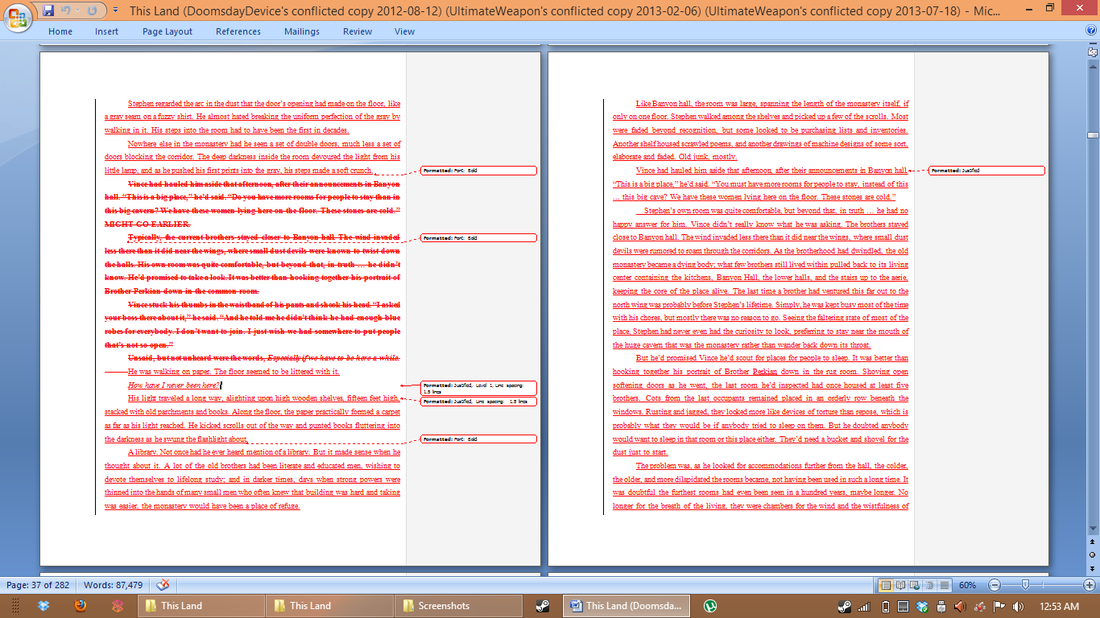
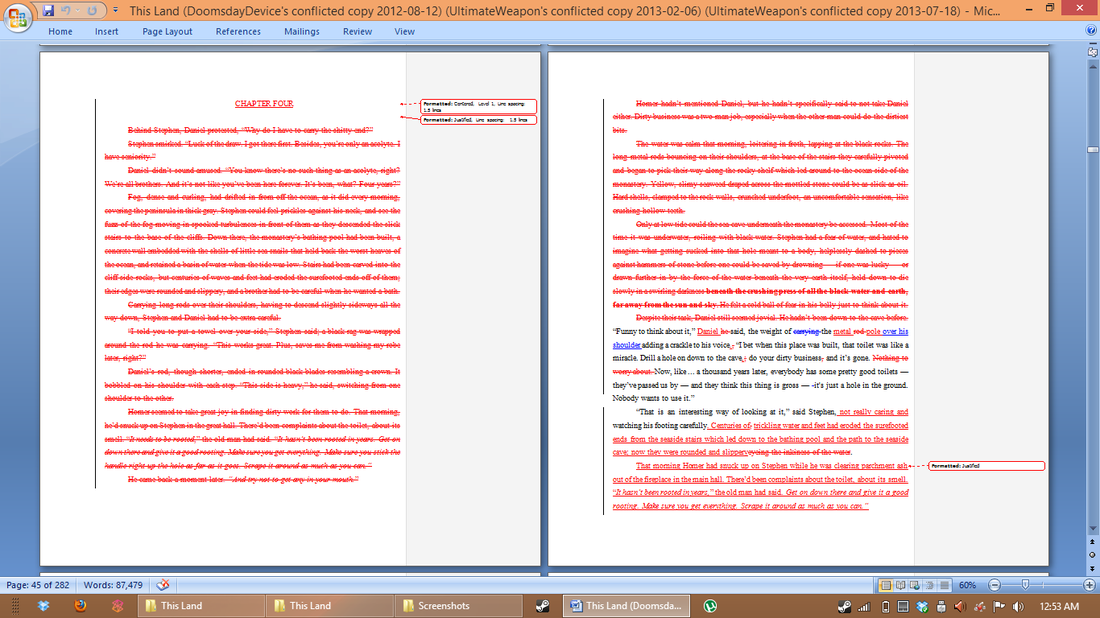
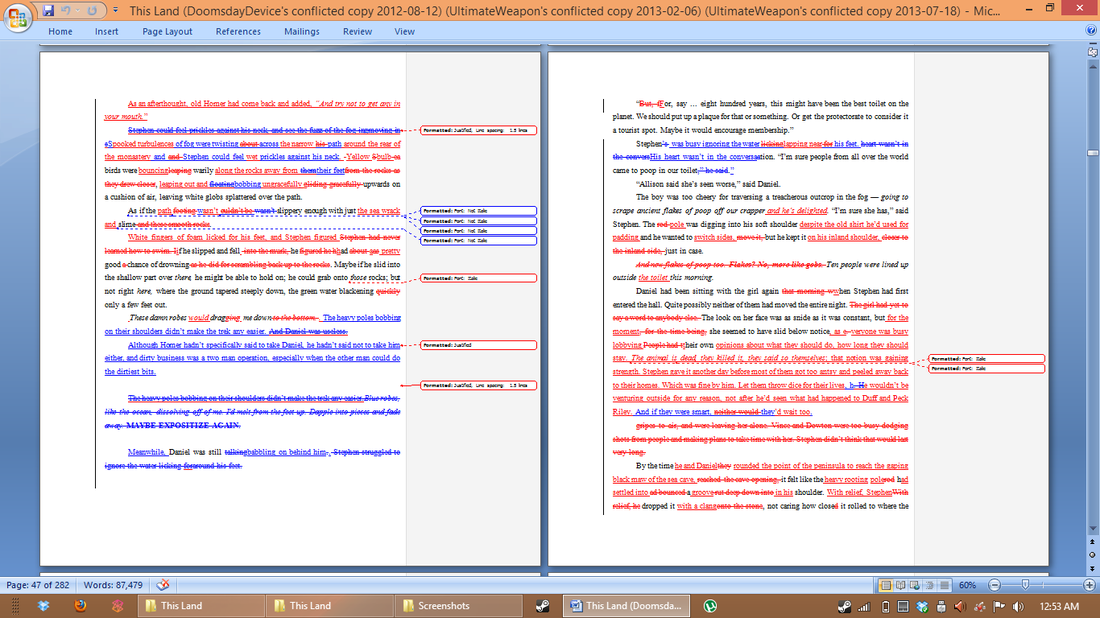
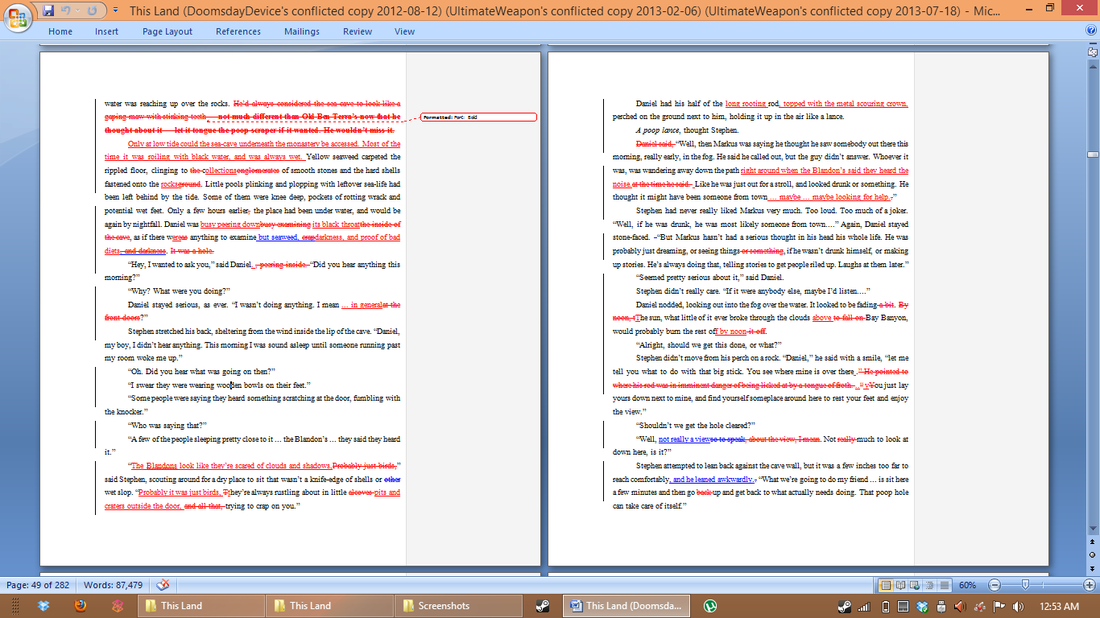
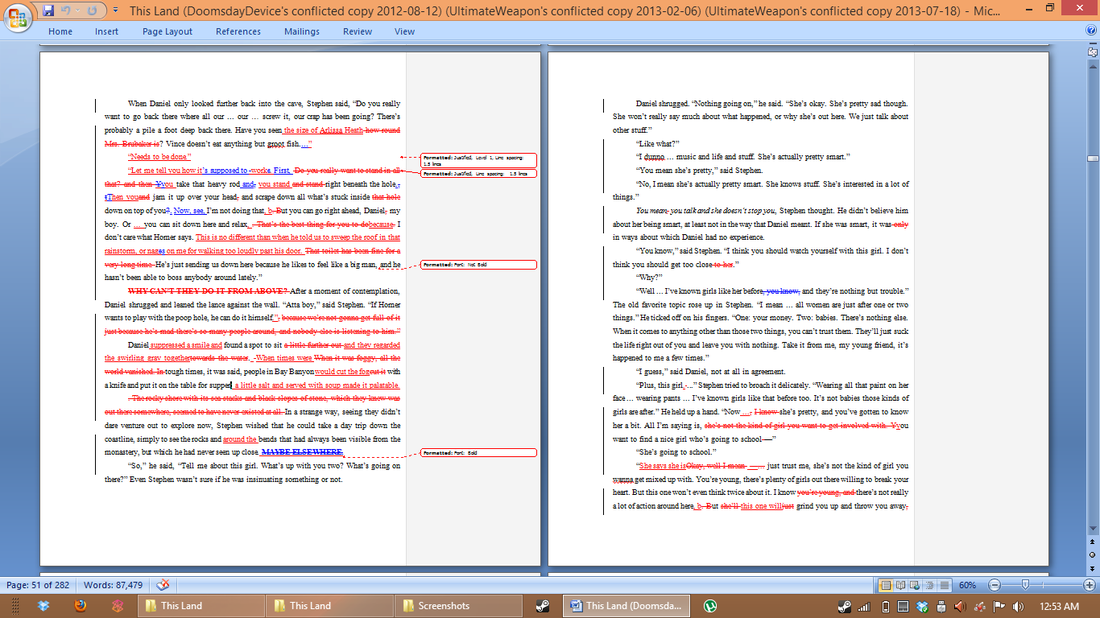
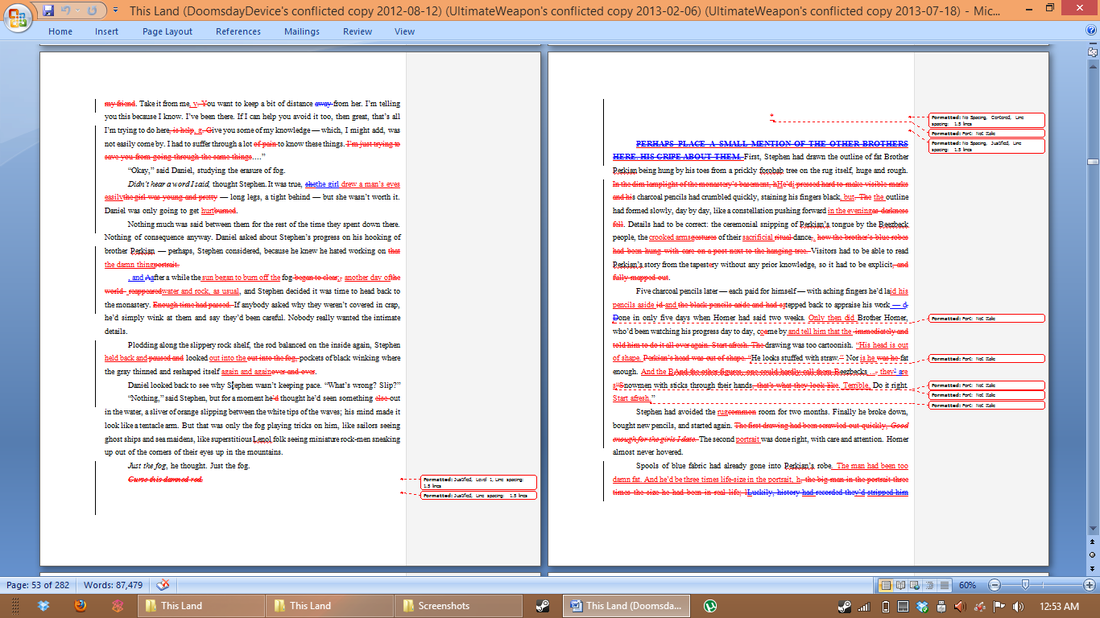
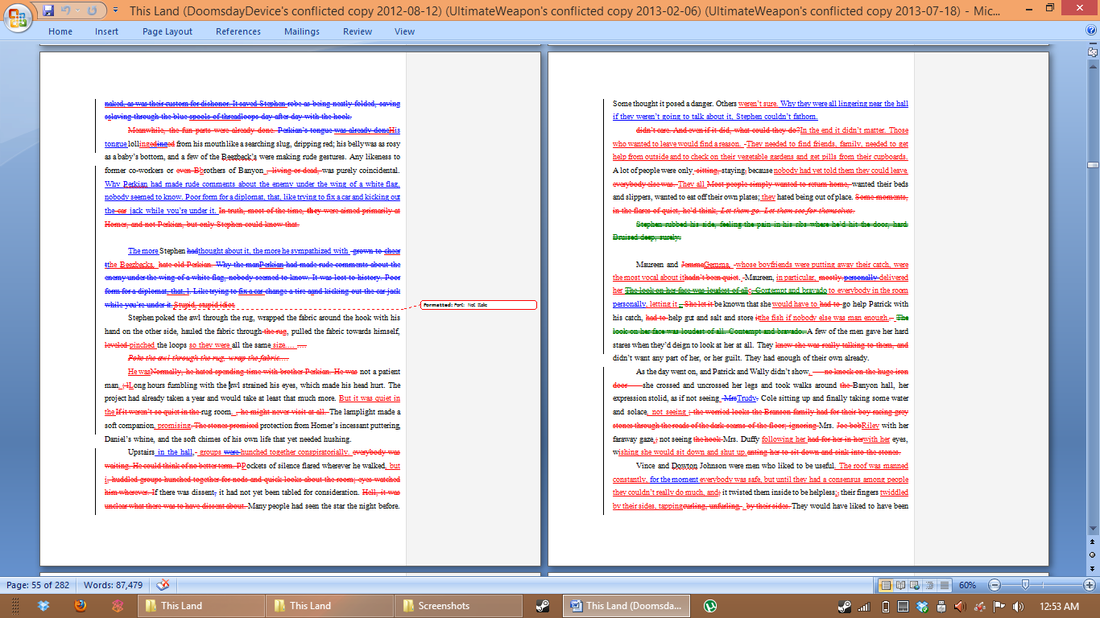
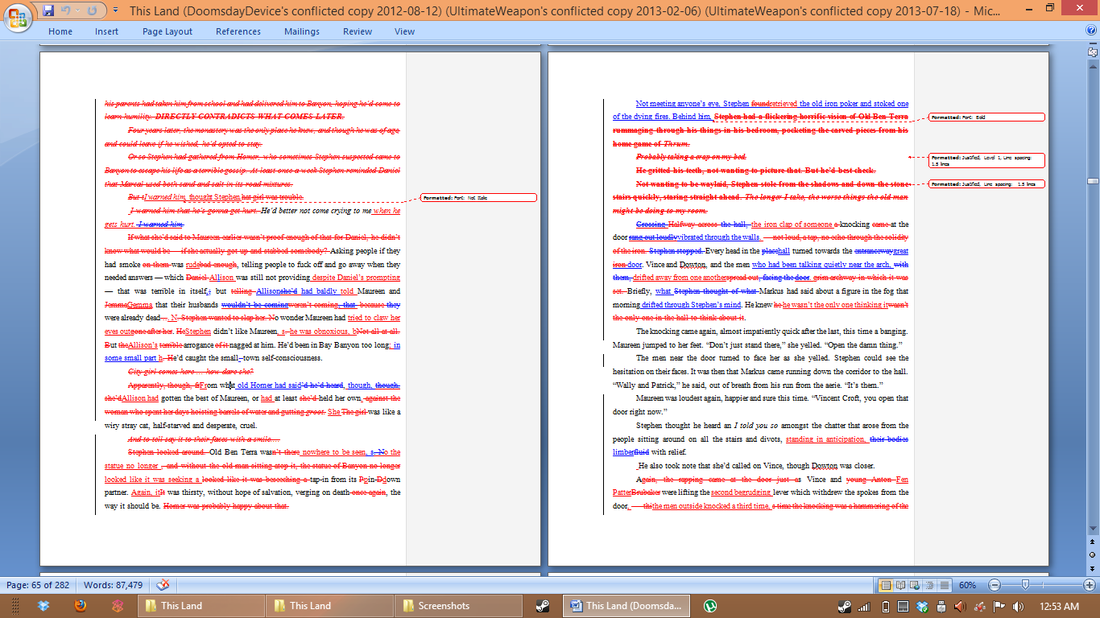
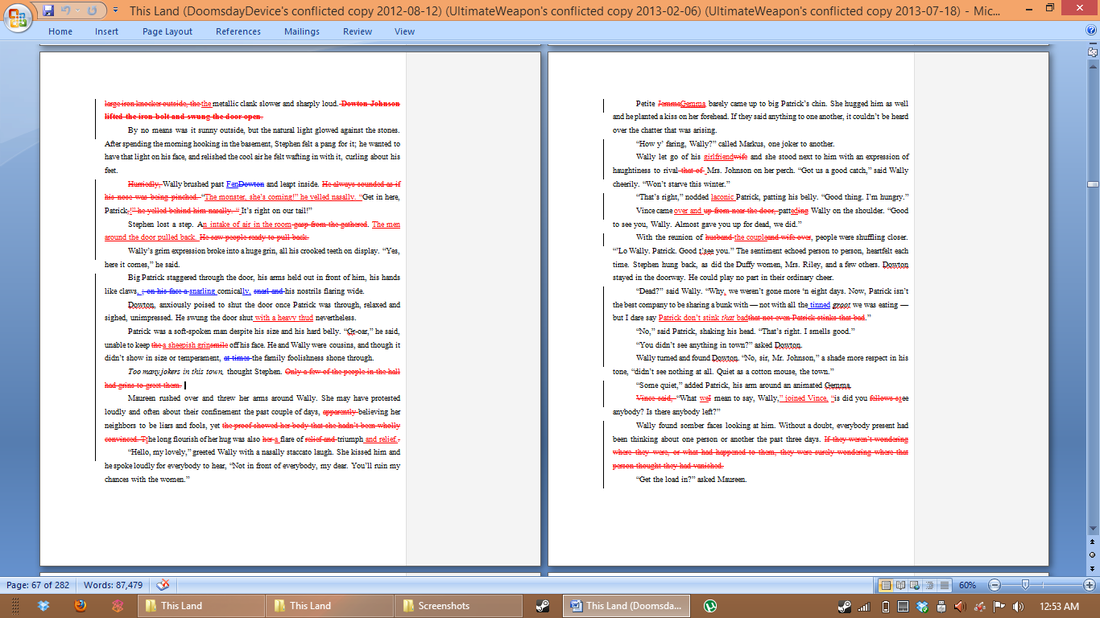
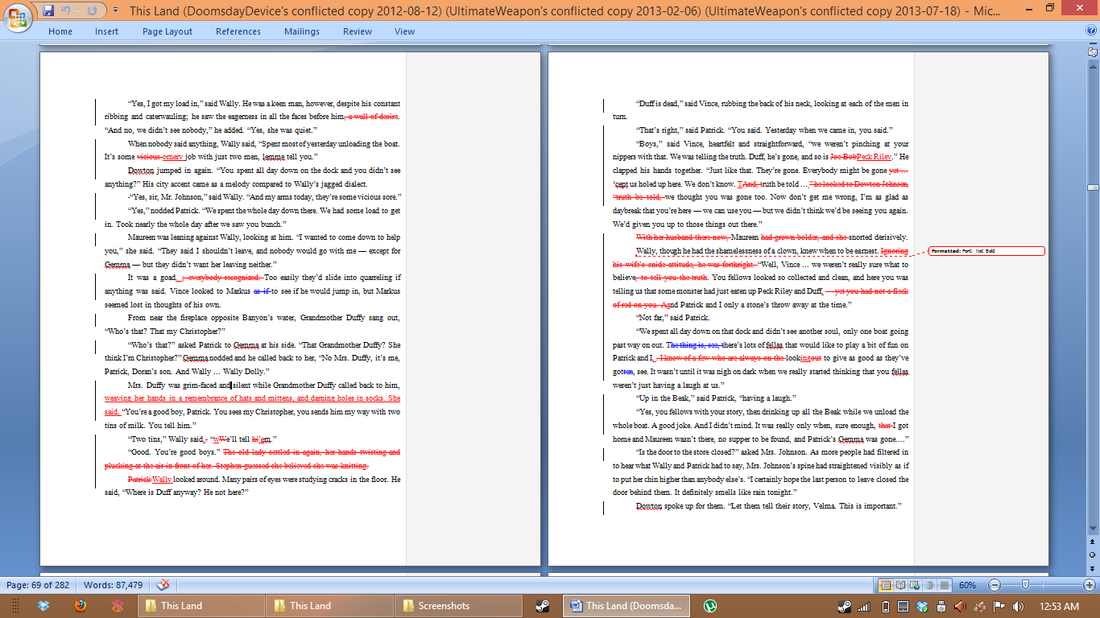
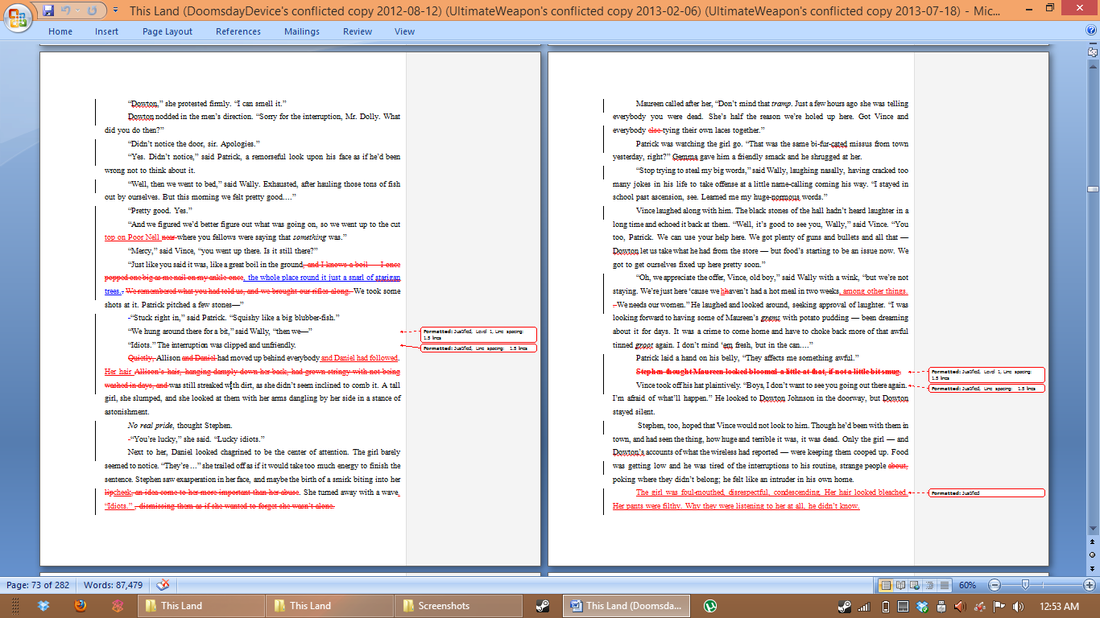
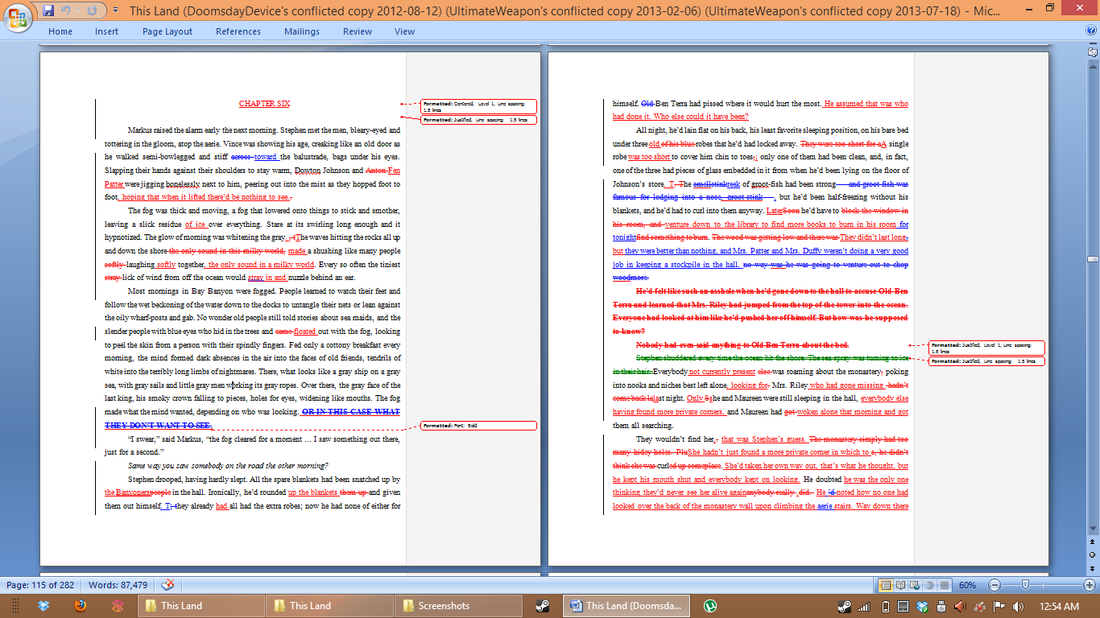
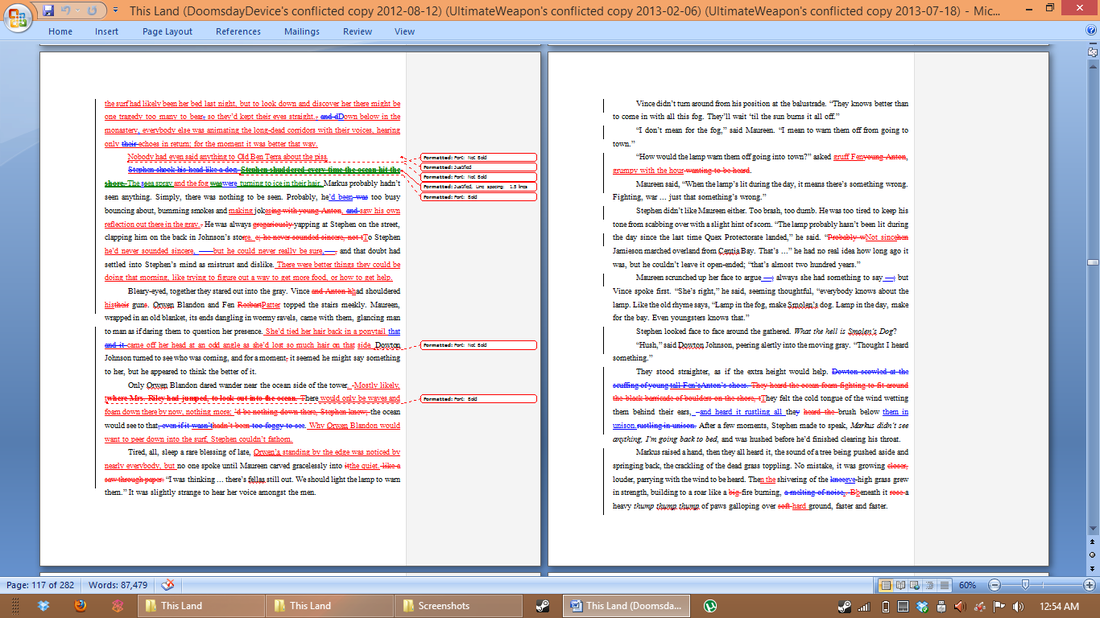
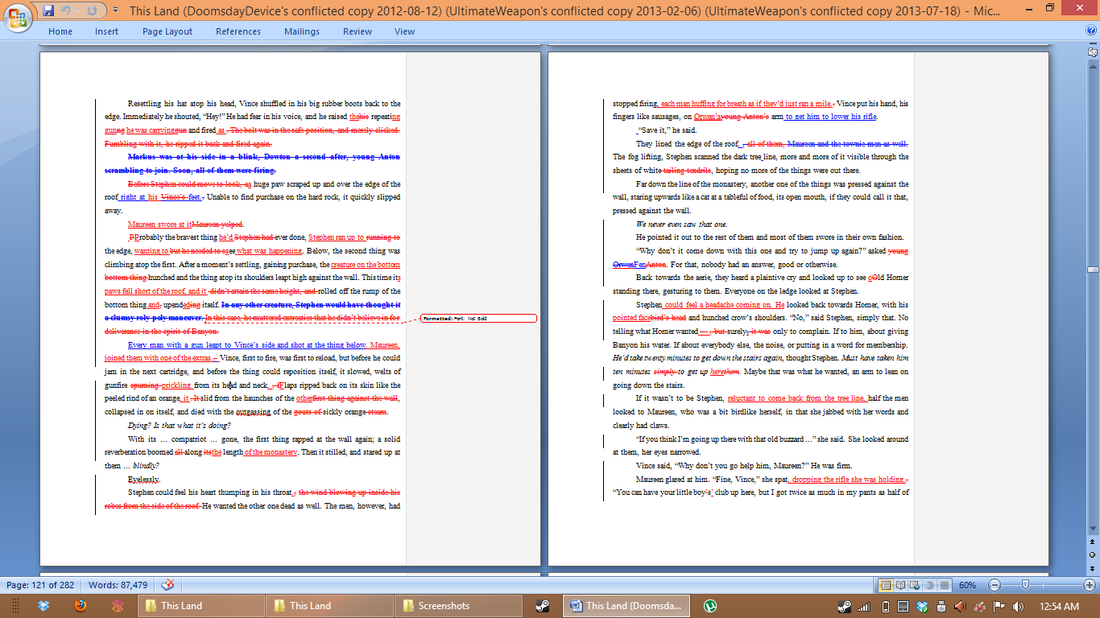
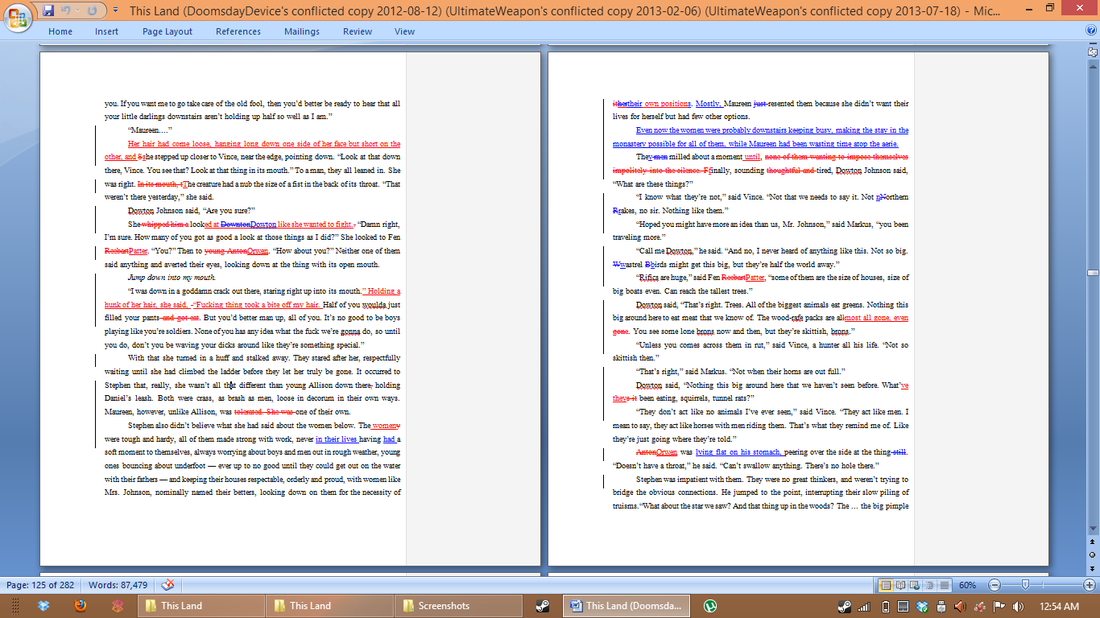
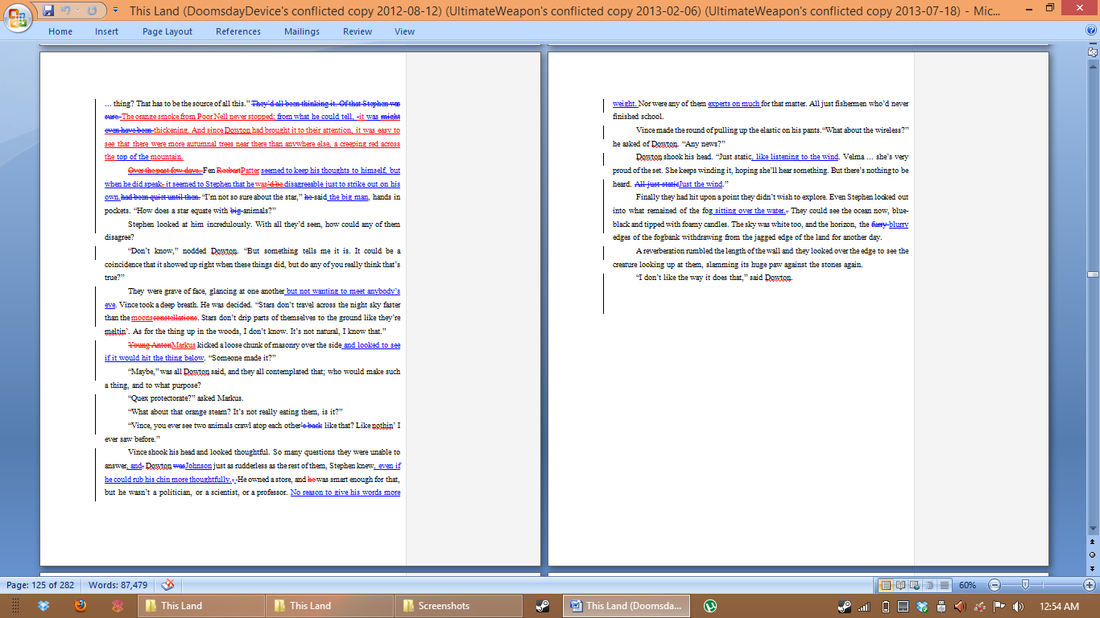
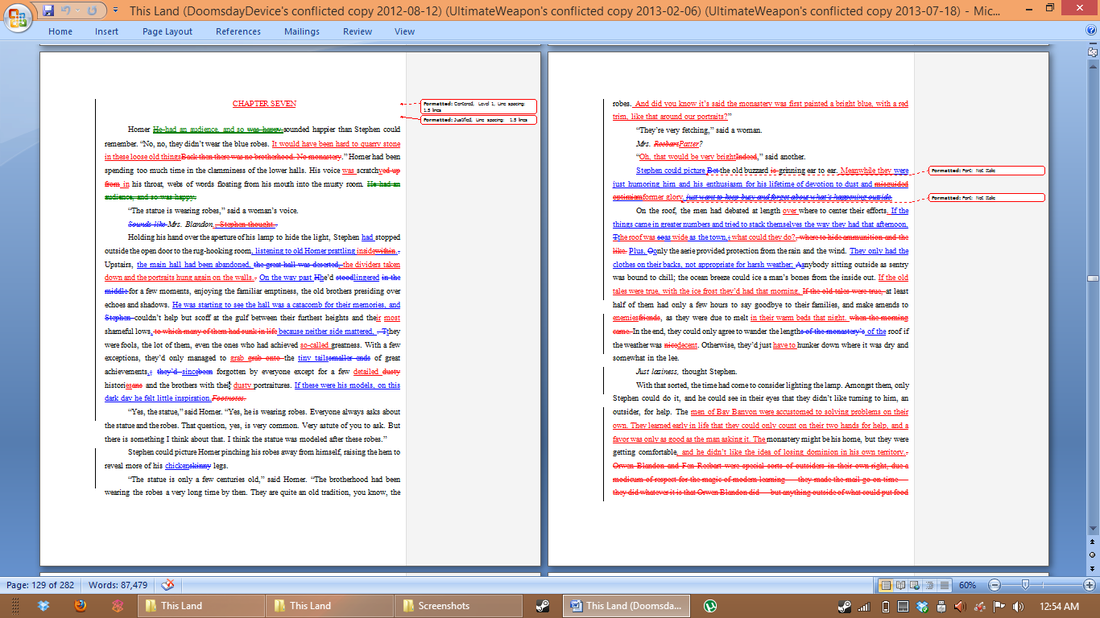
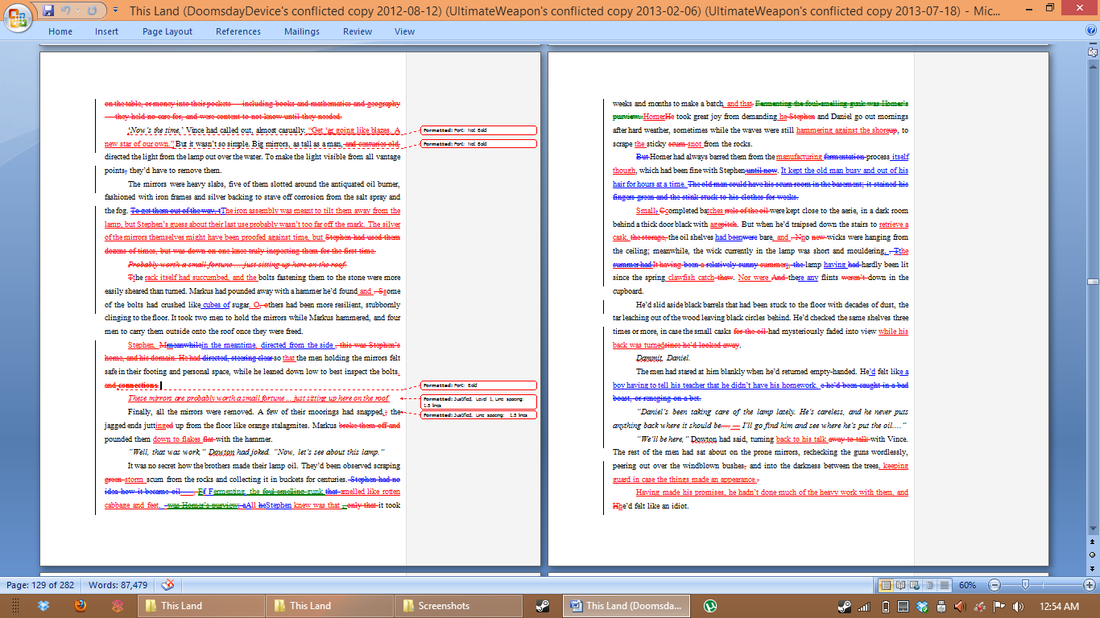
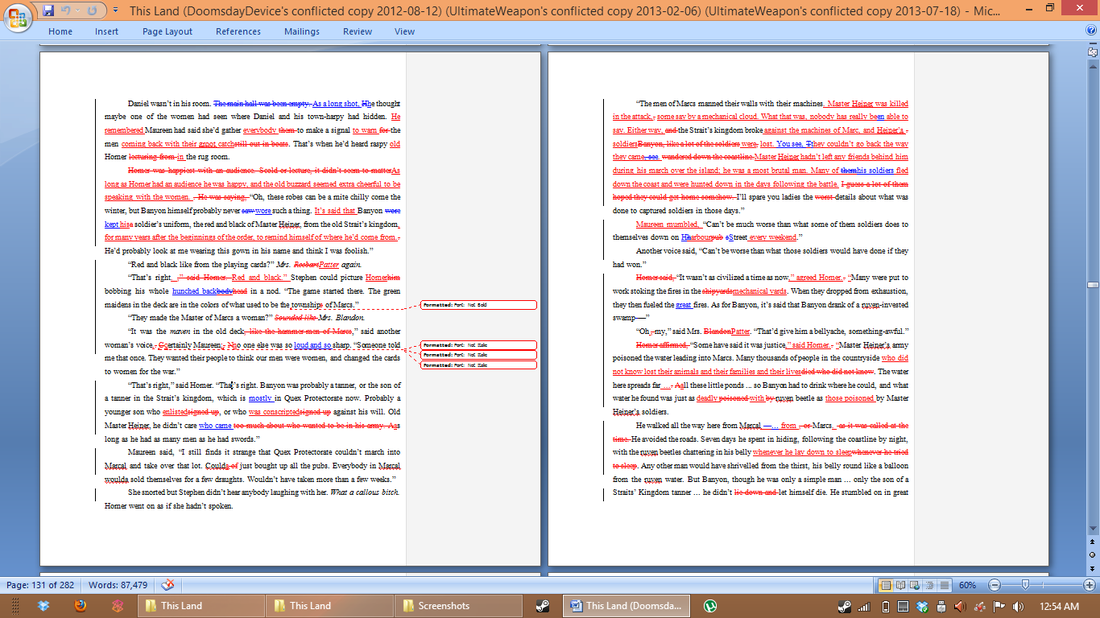
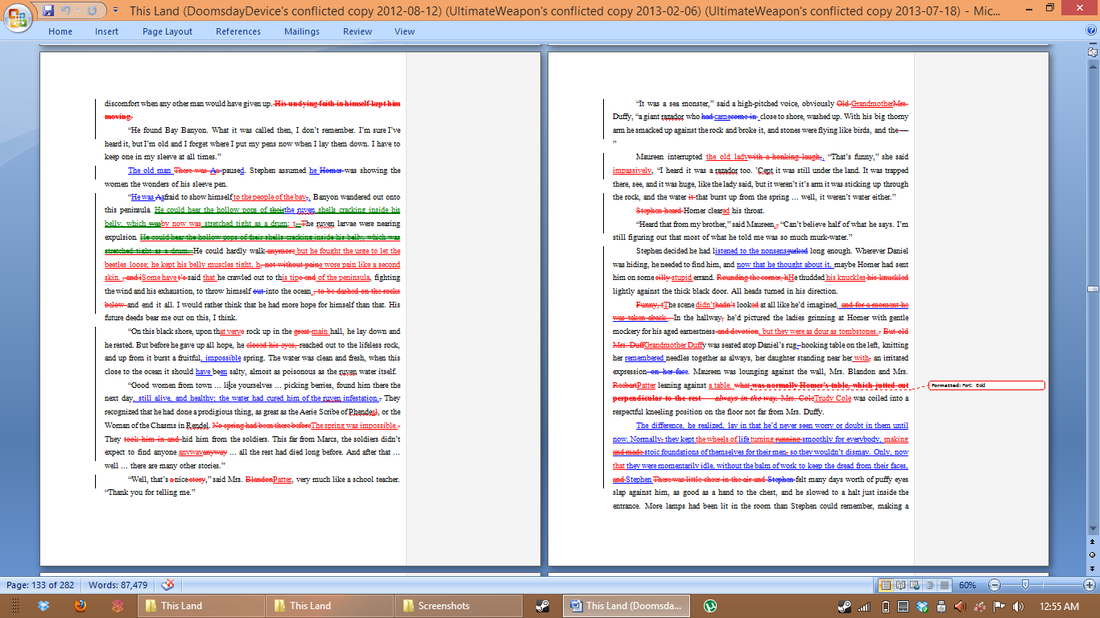
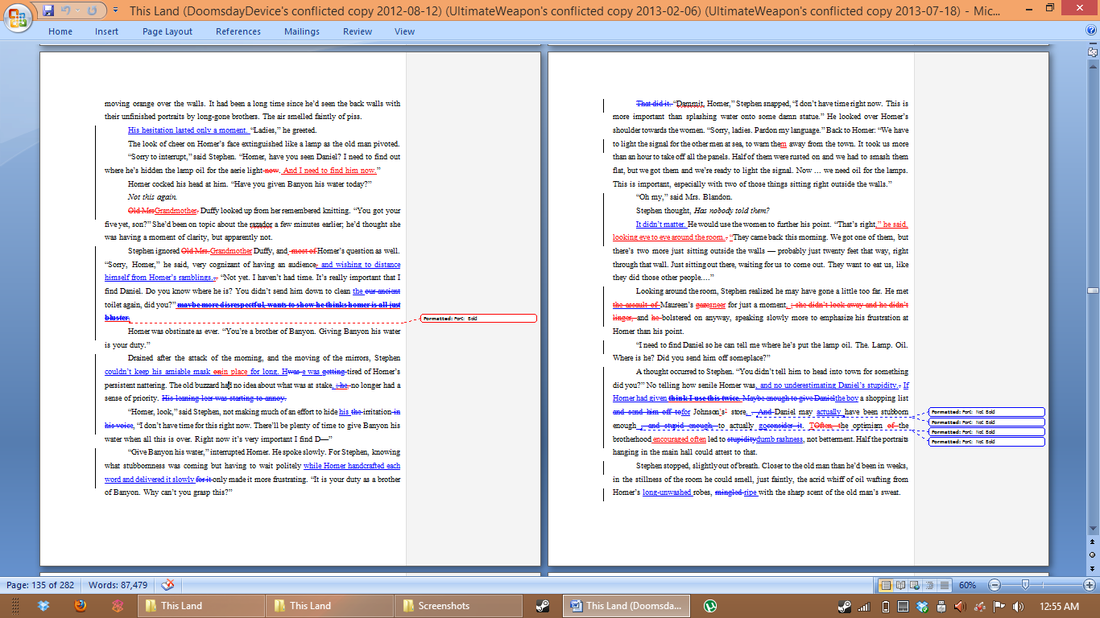
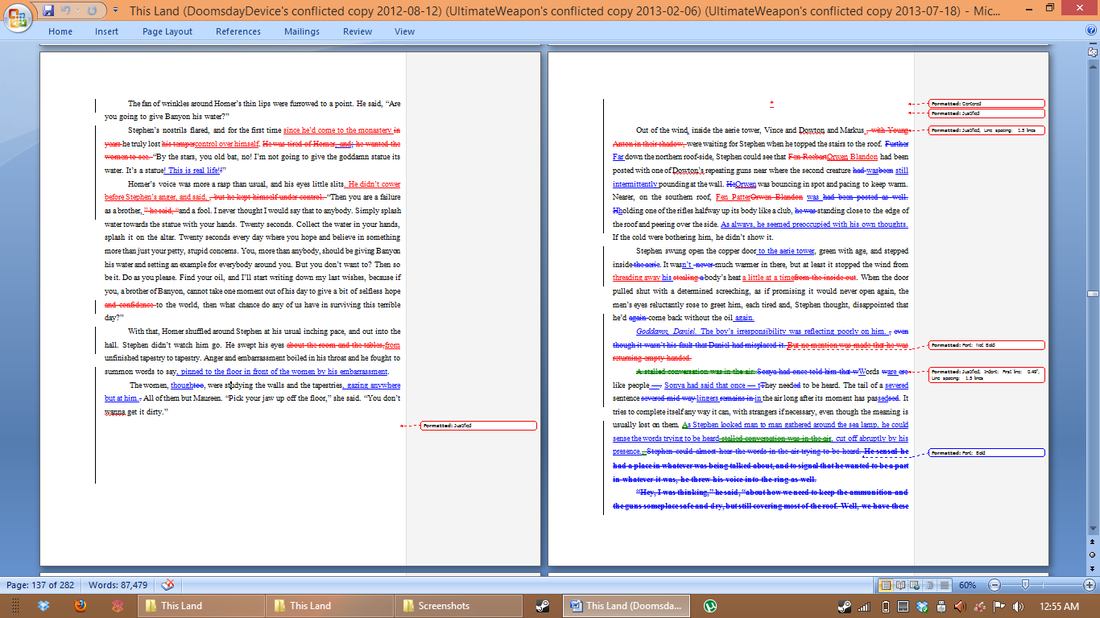
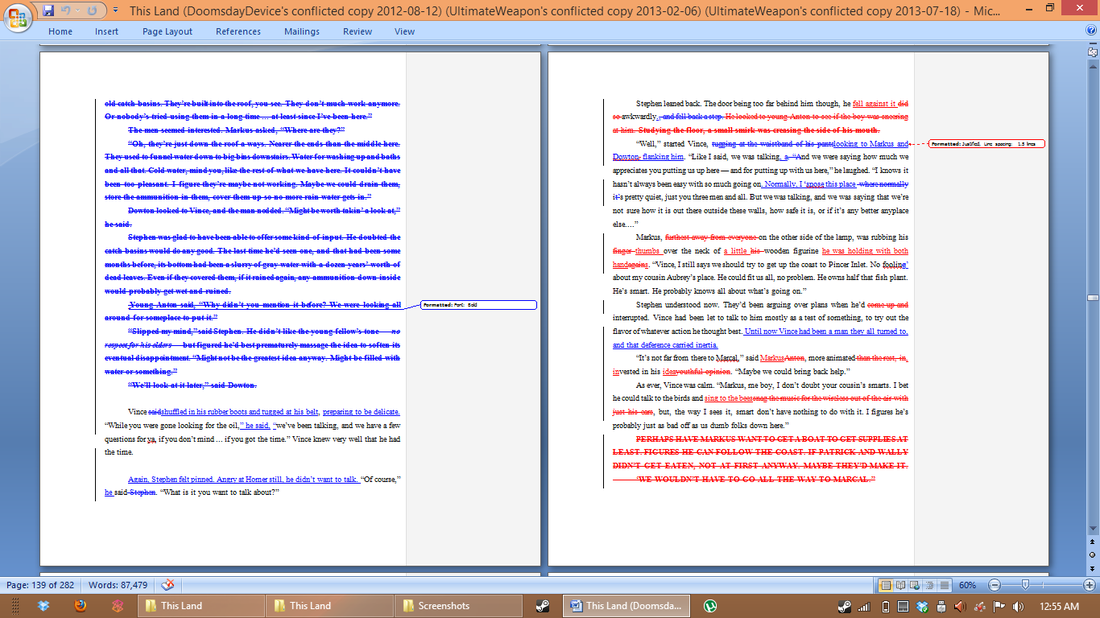
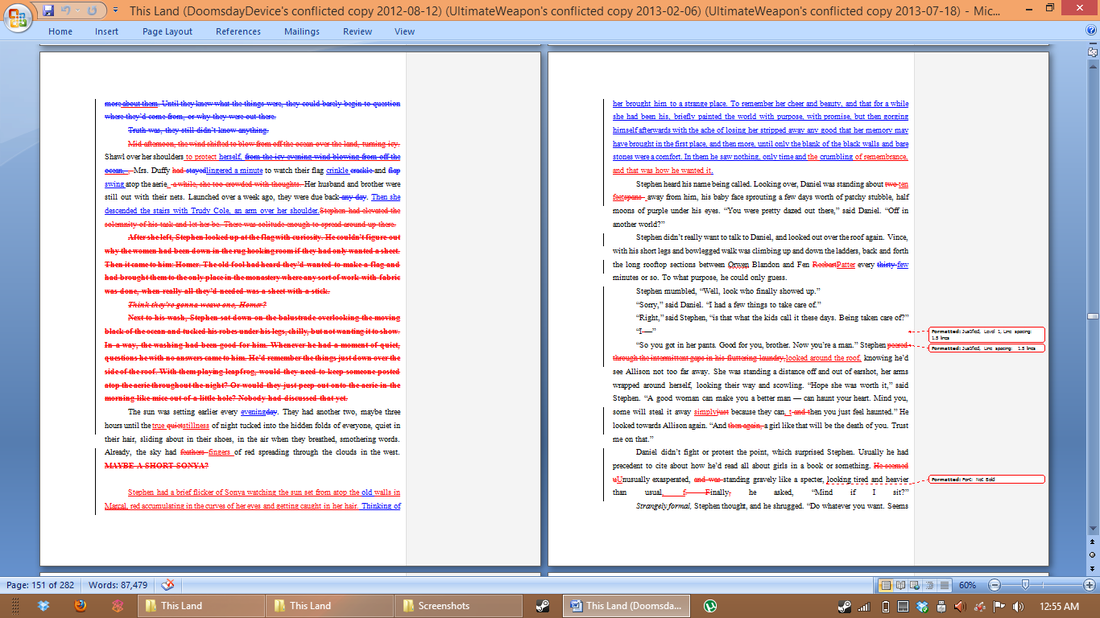
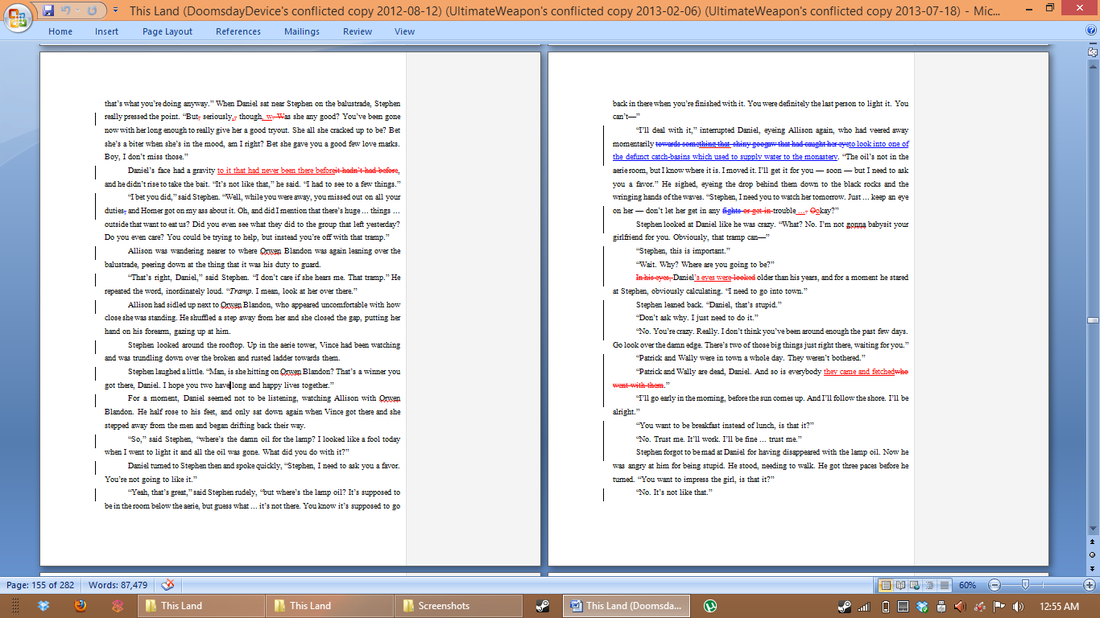
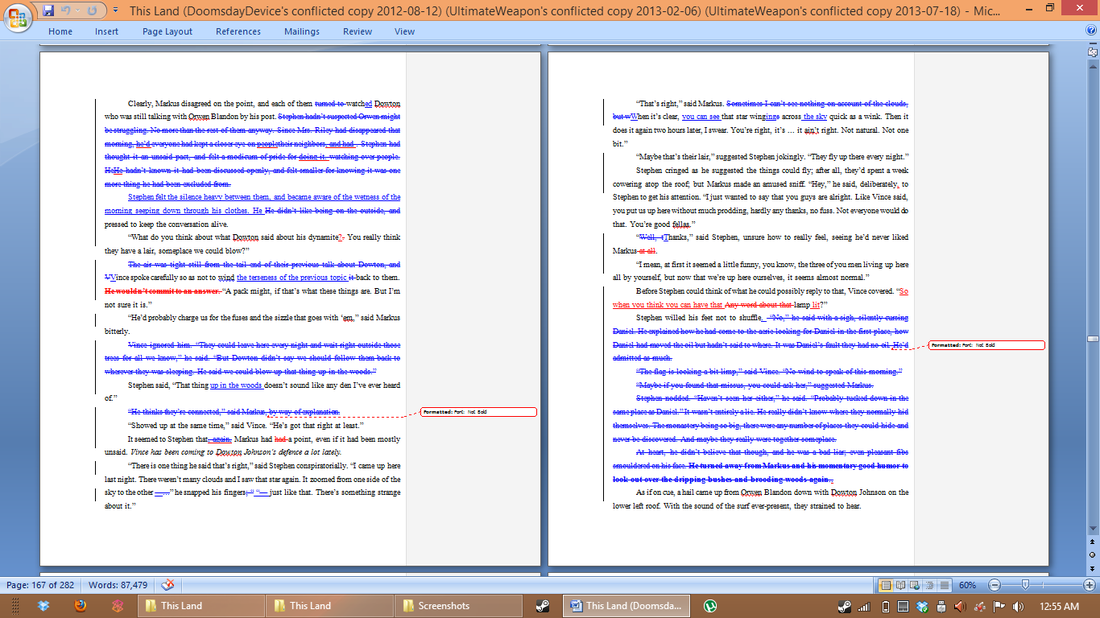
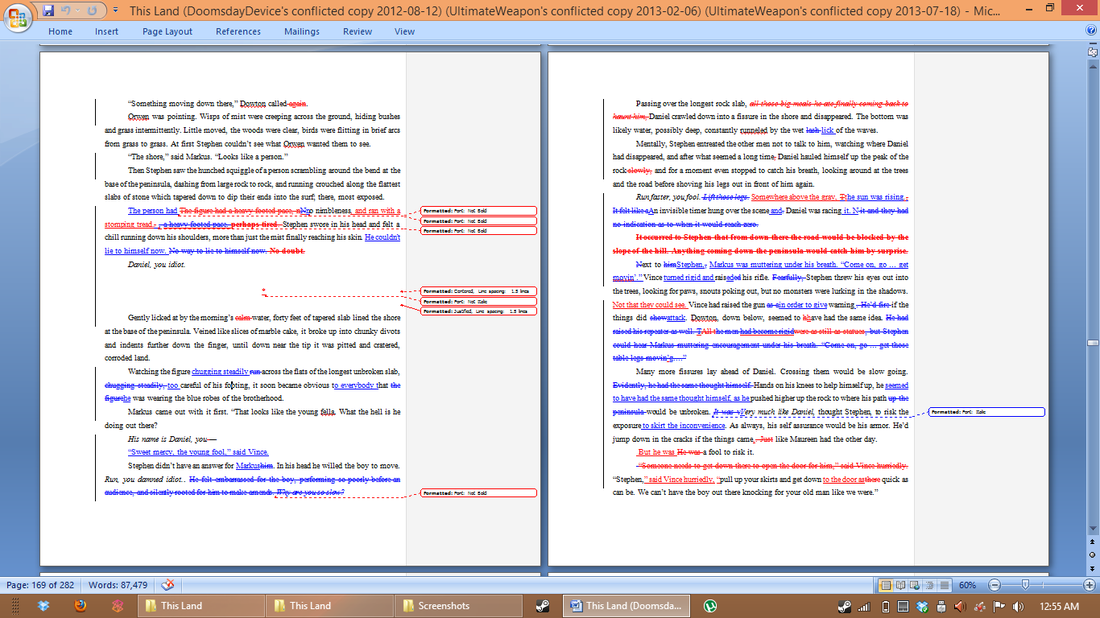
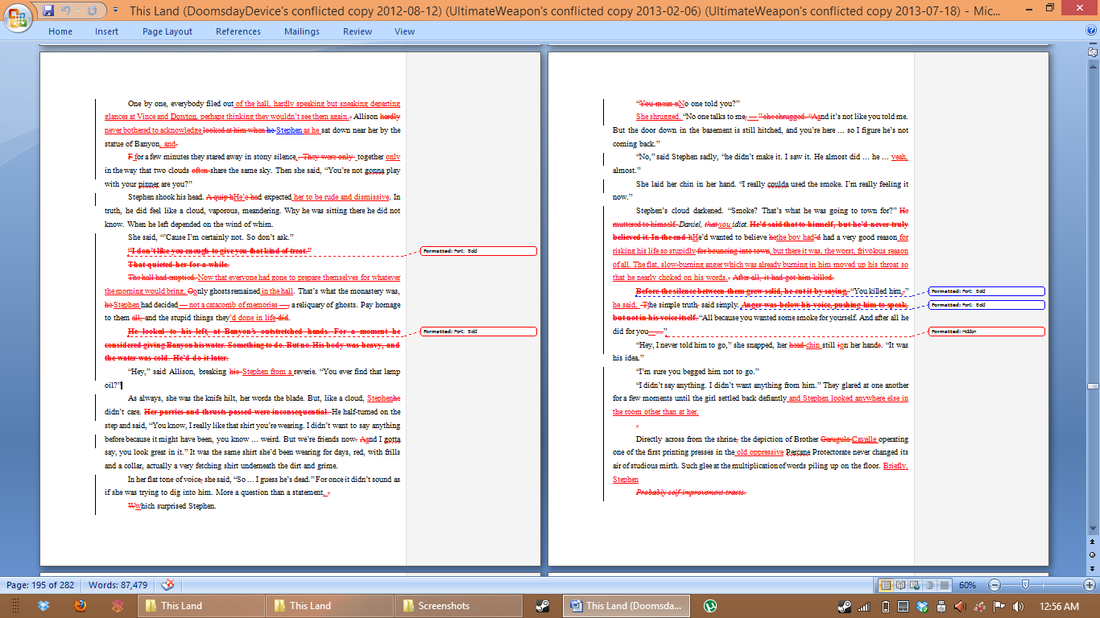
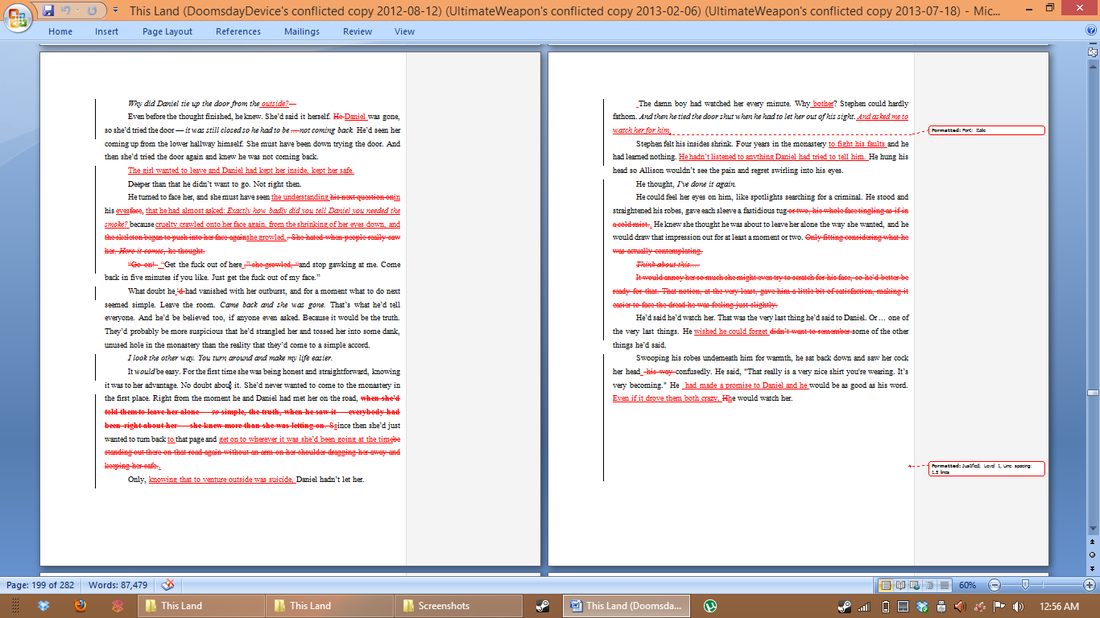
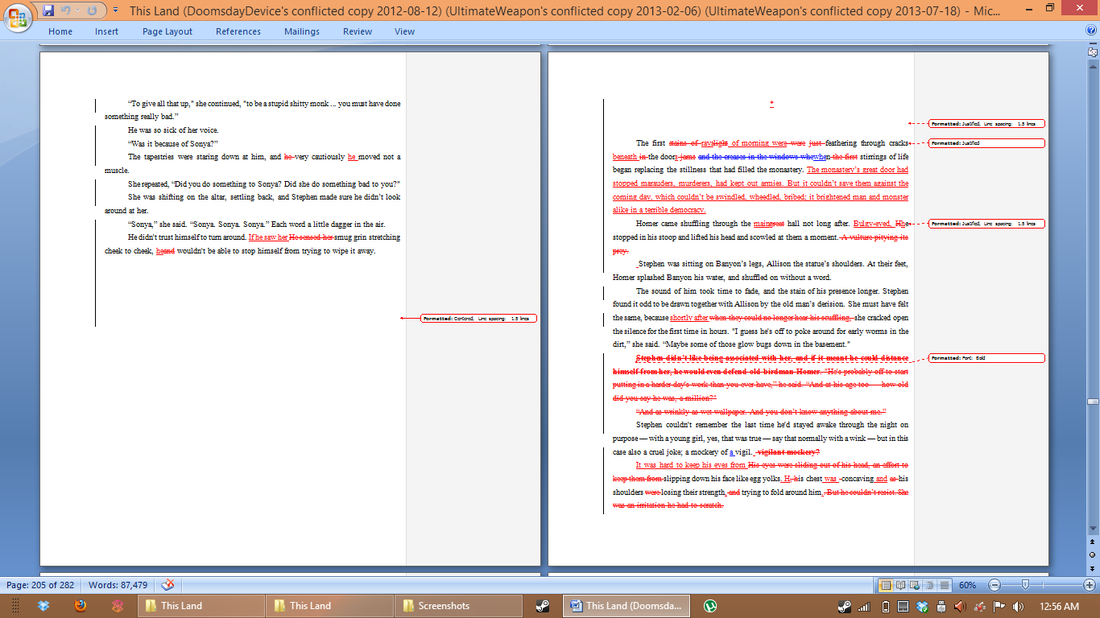
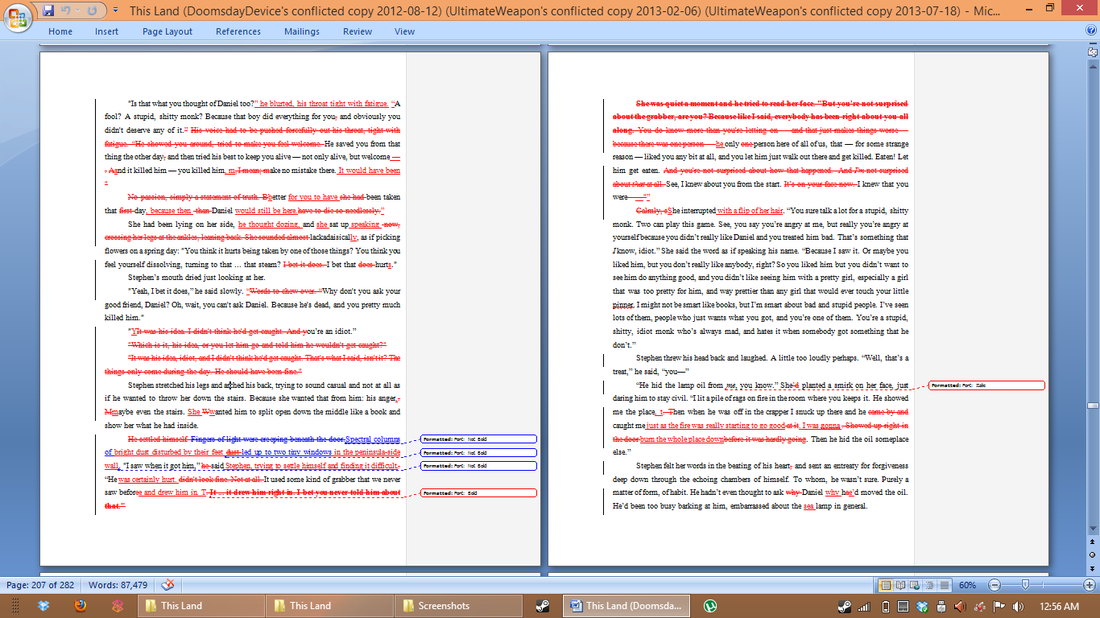
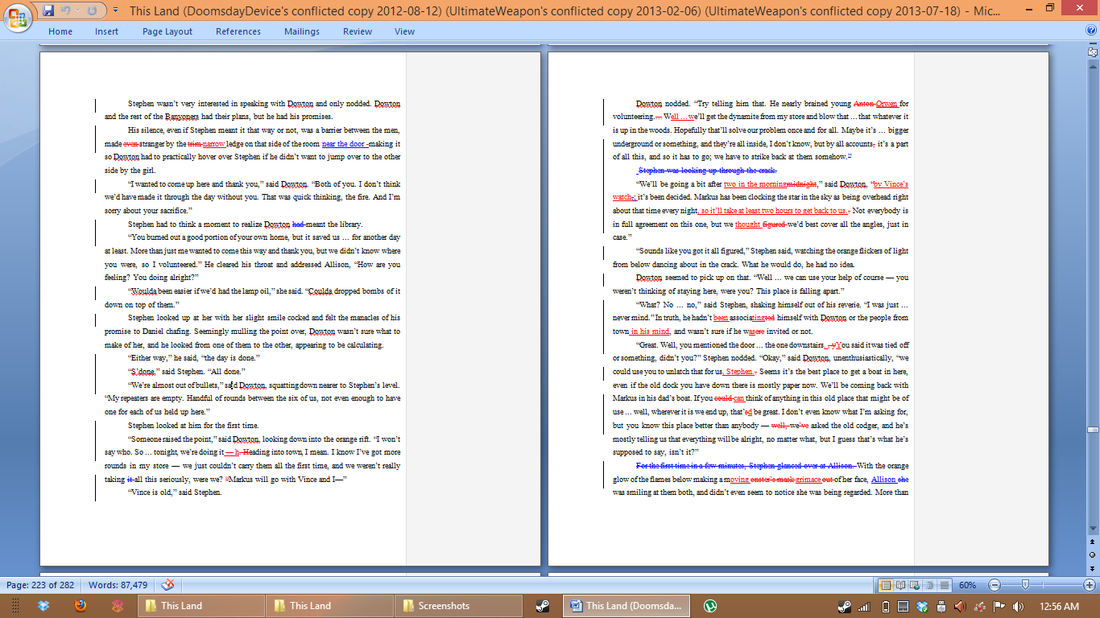
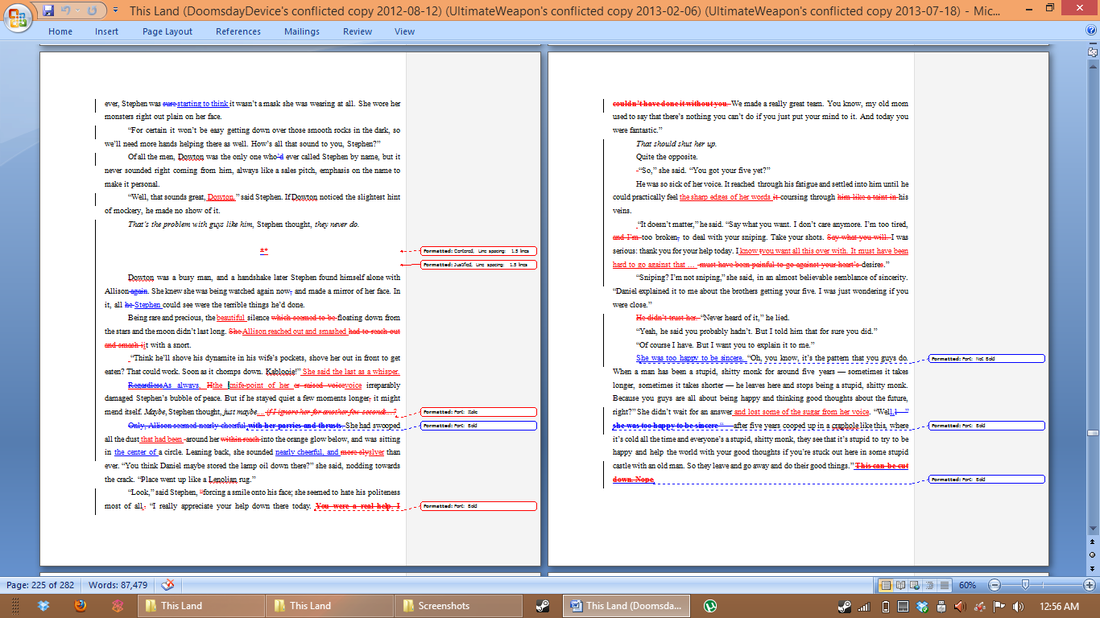
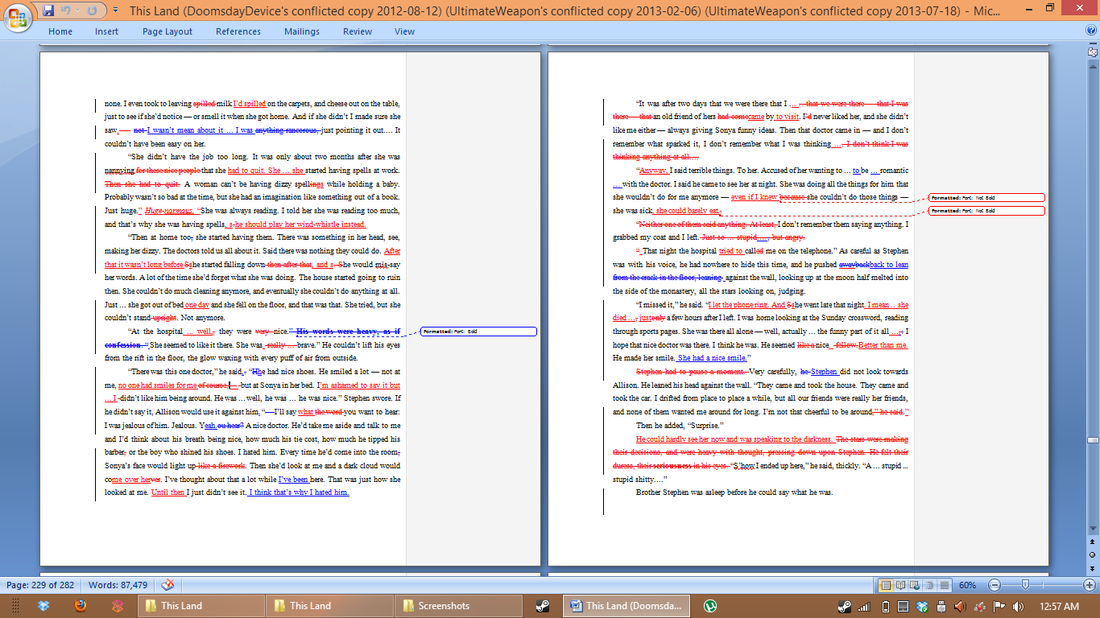
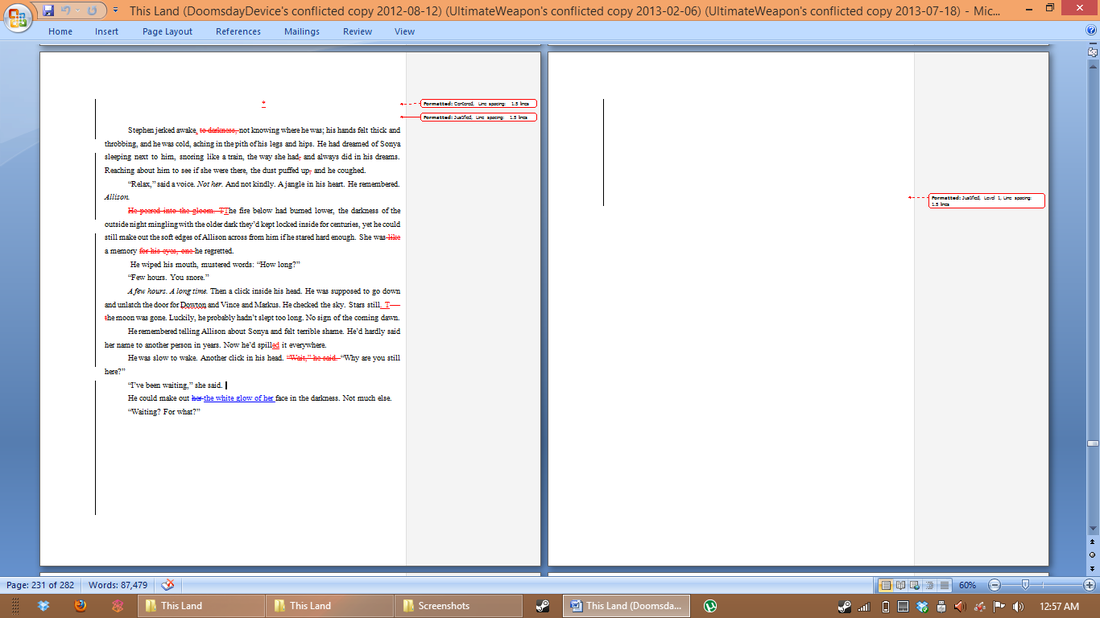
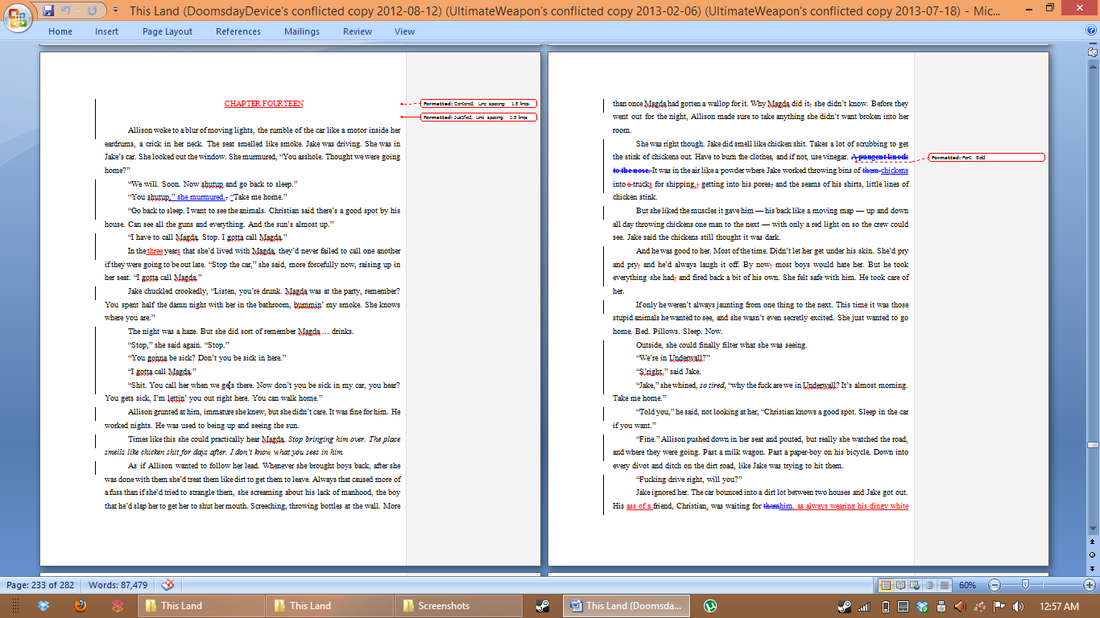
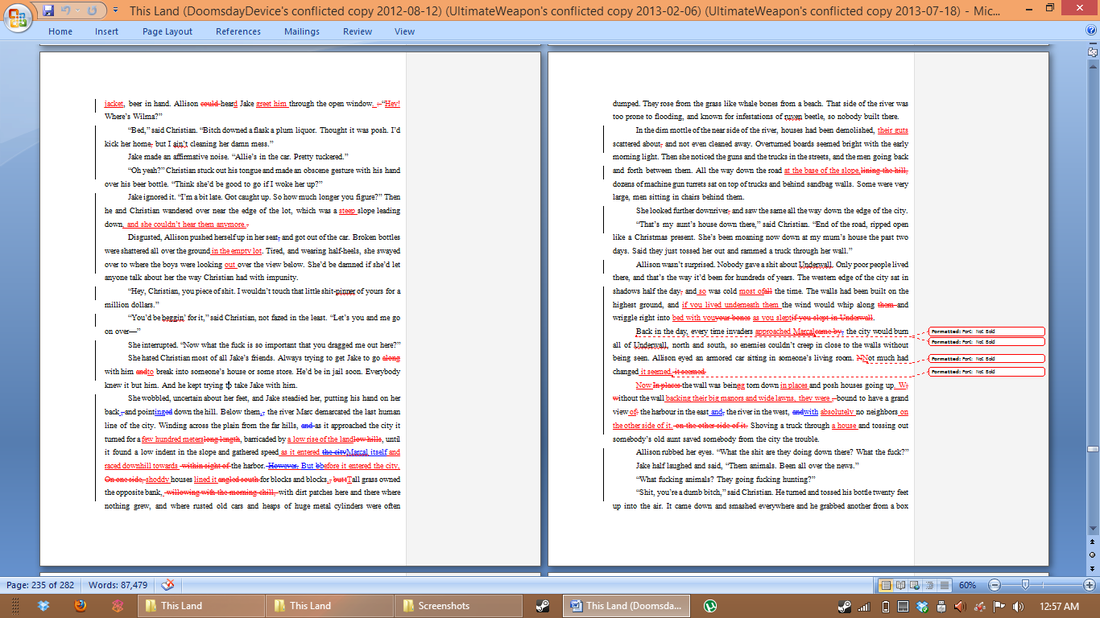
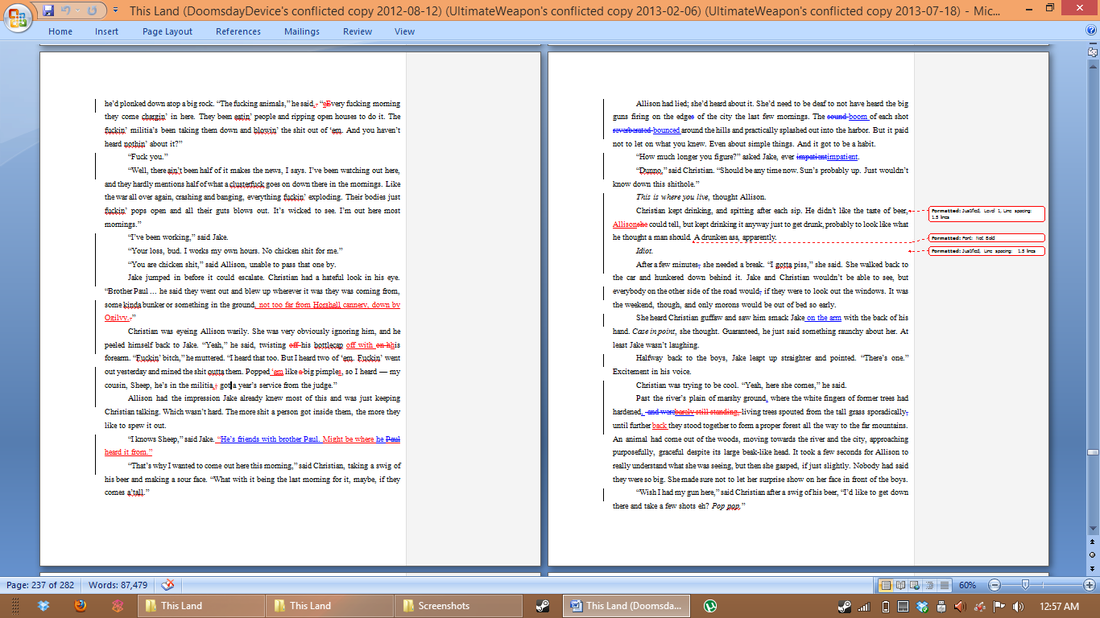
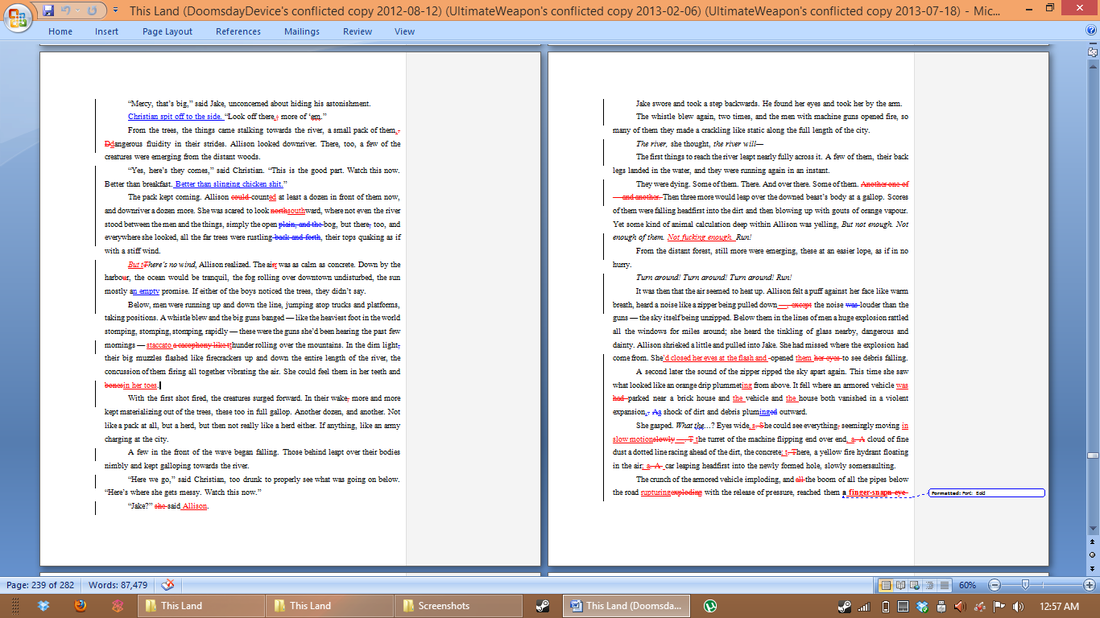
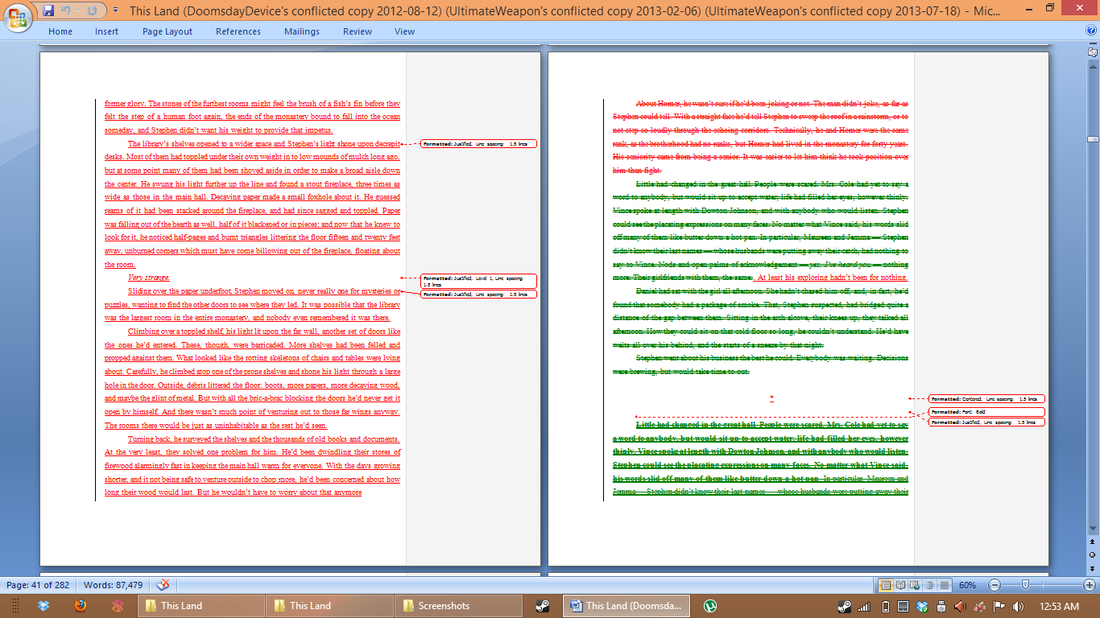
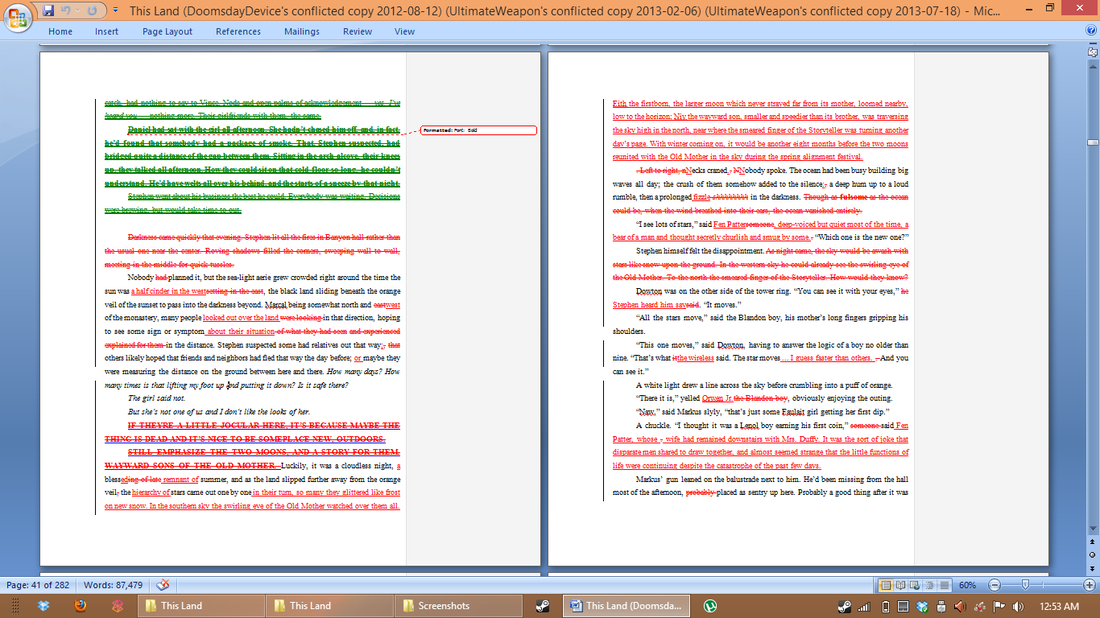
 Editing is coming along nicely. Stephen ducked back and grabbed a gun for himself. He didn’t know if he was angry at the people for leaving after they were warned, or because they were murdered — eaten —within earshot of the monastery, his home. He could smell the stink of fear rising from inside his robes. He had never fired a gun, but he raised it, pointed it, and fired at the thing that had taken Gemma, its nose still pointing at the sky. He’d liked Gemma, so quiet, secretly smart, always with a smile for strangers in town. The gun kicked back into his shoulder painfully. If he missed, he didn’t care. Even firing, making a resistance, added an action to the blank that had thinned him, anchoring him to the world. No longer did he feel the wind would blow and he’d funnel away like sand.
But everyone was gone. He had failed them all. That thought radiated from him like warmth, and from the man next to him, and the next. Helplessly, they’d become fewer.
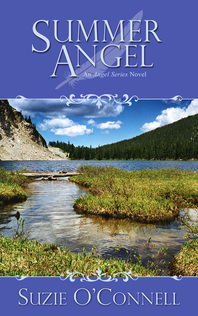
Lately I've been privileged to be in the company of some fine quality writers, a few of whom I'll be happy to showcase on weekends. Enjoy. Summer Angel Suzie O'Connell
 click for more
Five years ago, a single bullet forever changed three lives. June Montana gained a son when she agreed to foster the boy orphaned by that fatal shot, but lost touch with the man who pulled the trigger--her best friend, Sheriff's Deputy Ben Conner. Appalled, Ben sank into a quagmire of self-loathing. Now, he has come home to Northstar in a last-ditch effort to escape his guilt and nightmares, and to reconnect with June, hoping she can help him find peace. Instead, he is reunited with the boy he orphaned. With June's help, and her son's, Ben might finally find a way to forgive himself, but they have other worries. Someone wants revenge for a broken heart... and he's willing to kill to get it. | Suzie O'Connell grew up in a small town on the Kitsap Peninsula in Western Washington, but has called the mountains and valleys of Western Montana home for well over a decade. She has been writing stories since she was old enough to know how (the first she can recall was penciled in the second grade, about the mouse who went to the sea) and completed her first novel, Summer Angel, before she graduated from high school. After high school, tired of the endless rain, she attended college at the University of Montana-Western and graduated in 2005 with a Bachelor of Arts in Literature and Writing. She is currently working on a Masters of Education and teaches high school English.
When she isn't writing, teaching or studying, Suzie enjoys playing in the mountains with her husband Mark, their daughter Maddie and their energetic golden retriever Reilly. She is also a hobby photographer, specializing in landscapes.
Suzie considers herself to be a rather quirky individual with ecclectic tastes in music, movies and books. She listens to just about anything, including pop, rock, country and techno and her favorite movies range from Grumpy Old Men to Lord of the Rings to Moulin Rouge to Pirates of the Caribbean. When it comes to reading, she prefers fantasy, science fiction, romance and literary fiction.
She firmly believes it's healthy to laugh at yourself, that best friends are worth far more than their weight in gold, and that home truly is where the heart is. | |
|